

Thanksgiving dinner just isn’t complete without a rich, savory gravy to pour over your turkey, mashed potatoes, and stuffing.
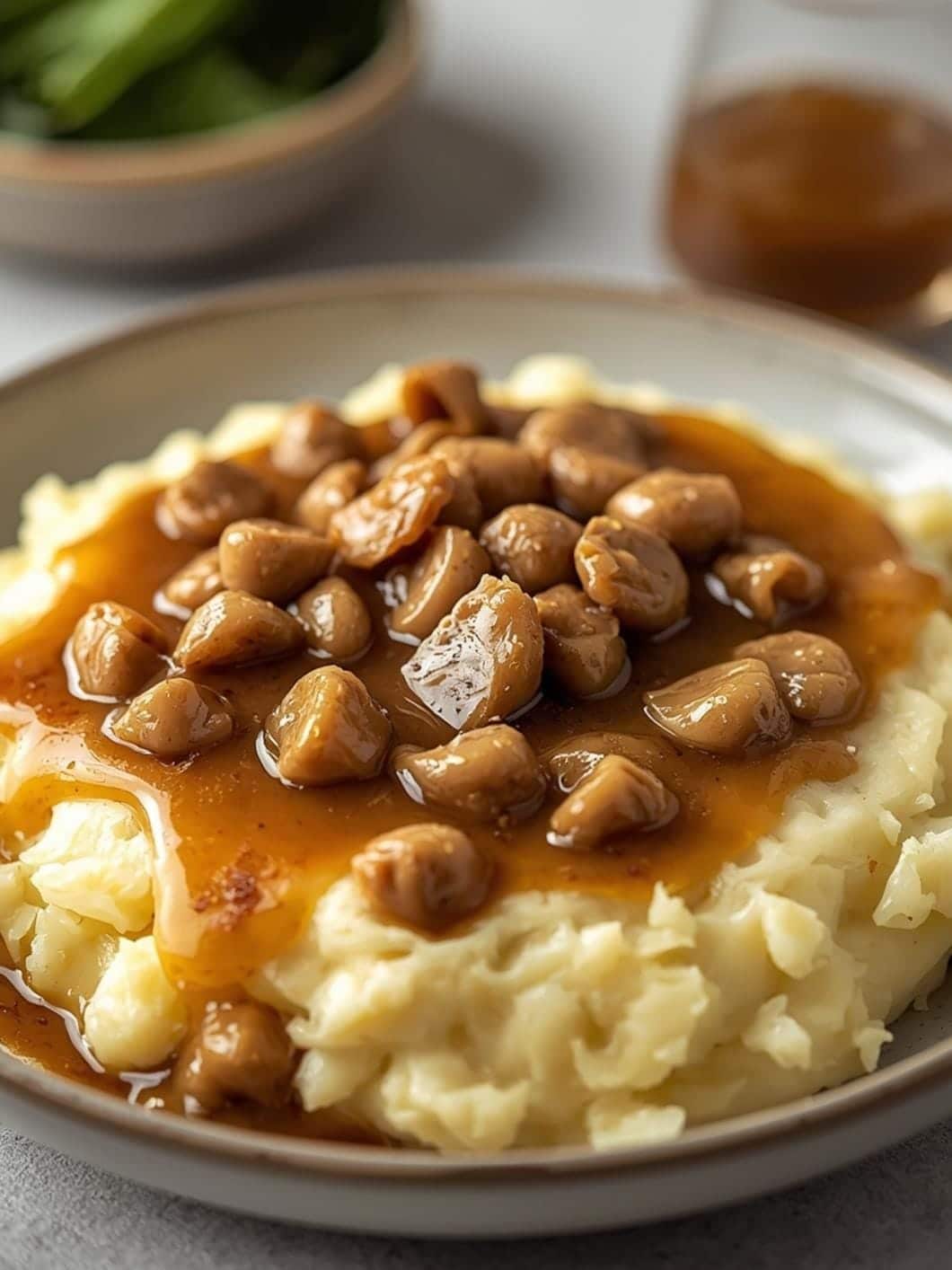
But what if you don’t have turkey drippings, or you’re looking for a simpler, less fuss recipe? This easy turkey gravy recipe is your answer! It delivers all the classic flavor you crave without needing a single drop of pan drippings.
This recipe is perfect for beginners and seasoned cooks alike, ensuring a delicious, lump-free gravy every single time. Get ready to elevate your holiday meal with a homemade touch that tastes like it took hours, but comes together in a flash.
Table of Contents
- What You’ll Love About This Quick And Easy Recipe
- Everything You Need To Make This Recipe Without Stress
- Time Needed From Start To Finish
- How To Make It Step By Step With Visual Cues
- Easy Variations And Serving Ideas That Fit Real Life
- Common Slip-Ups And How To Avoid Them
- How To Store It And Make It Ahead Without Ruining Texture
- Questions People Always Ask Before Making This Recipe

Easy Turkey Gravy (No Drippings)
- Total Time: 15-20 minutes
- Yield: 4 cups 1x
Description
This easy turkey gravy recipe delivers all the classic flavor you crave without needing a single drop of pan drippings. It’s perfect for beginners and seasoned cooks alike, ensuring a delicious, lump-free gravy every single time. Get ready to elevate your holiday meal with a homemade touch that tastes like it took hours, but comes together in a flash.
Ingredients
Instructions
1. Melt the Butter in a Medium Saucepan: Place a medium-sized saucepan over medium heat. Add the unsalted butter and let it melt completely. Swirl the pan gently to coat the bottom evenly. You want the butter to be fully liquid and slightly shimmering, but not browning.
2. Whisk in the Flour to Create a Roux: Once the butter is melted, sprinkle the all-purpose flour over the melted butter. Immediately begin whisking continuously. Continue whisking for 1-2 minutes, until the mixture forms a smooth, pale golden paste, known as a roux. This step is crucial for thickening the gravy and cooking out the raw flour taste.
3. Gradually Add the Broth While Whisking: Slowly pour in about 1 cup of the chicken or turkey broth into the roux, whisking constantly to incorporate it smoothly. The mixture will be very thick at first. Continue gradually adding the remaining broth, about 1/2 cup at a time, whisking vigorously after each addition until the gravy is smooth and lump-free.
4. Bring to a Simmer and Thicken: Increase the heat slightly to medium-high and bring the gravy to a gentle simmer, continuing to whisk occasionally. As it heats, the gravy will begin to thicken. Let it simmer for 5-7 minutes, or until it reaches your desired consistency. It should be thick enough to coat the back of a spoon.
5. Stir in Seasonings: Reduce the heat to low. Stir in the dried sage, black pepper, and salt. Taste the gravy and adjust the seasoning as needed. You might want to add a little more salt or pepper, depending on your preference and the saltiness of your broth.
6. Serve Warm: Remove the gravy from the heat and serve immediately. If you’re not serving it right away, keep it warm over very low heat, stirring occasionally, or transfer it to a warmed gravy boat.
- Prep Time: 5 minutes
- Cook Time: 10-15 minutes
- Category: side dish
- Method: saucepan
- Cuisine: american
Nutrition
- Serving Size: 1/4 cup
Keywords: gravy, turkey, thanksgiving, easy, homemade, no drippings, sauce, holiday, comfort food, quick
What You’ll Love About This Quick And Easy Recipe
This recipe is a lifesaver for anyone hosting Thanksgiving or just looking to add a comforting, homemade touch to their dinner. You’ll love it because it’s incredibly straightforward, making delicious gravy accessible even if you’re juggling a dozen other dishes. It’s designed for busy families and individuals who want that authentic holiday flavor without the stress of complicated techniques or the need to plan around turkey drippings. This gravy is fantastic for Thanksgiving dinner, of course, but it’s also wonderful any time you’re serving roasted chicken, mashed potatoes, or even hot turkey sandwiches. It’s a versatile, crowd-pleasing addition to any meal that calls for a rich, savory sauce.
Everything You Need To Make This Recipe Without Stress
Making this gravy is surprisingly simple, requiring just a few common pantry staples. You likely have most of these ingredients on hand already, which means less last-minute grocery shopping and more time to enjoy the festivities. The key to its rich flavor comes from using good quality chicken or turkey broth, which forms the base of our gravy.
INGREDIENTS:
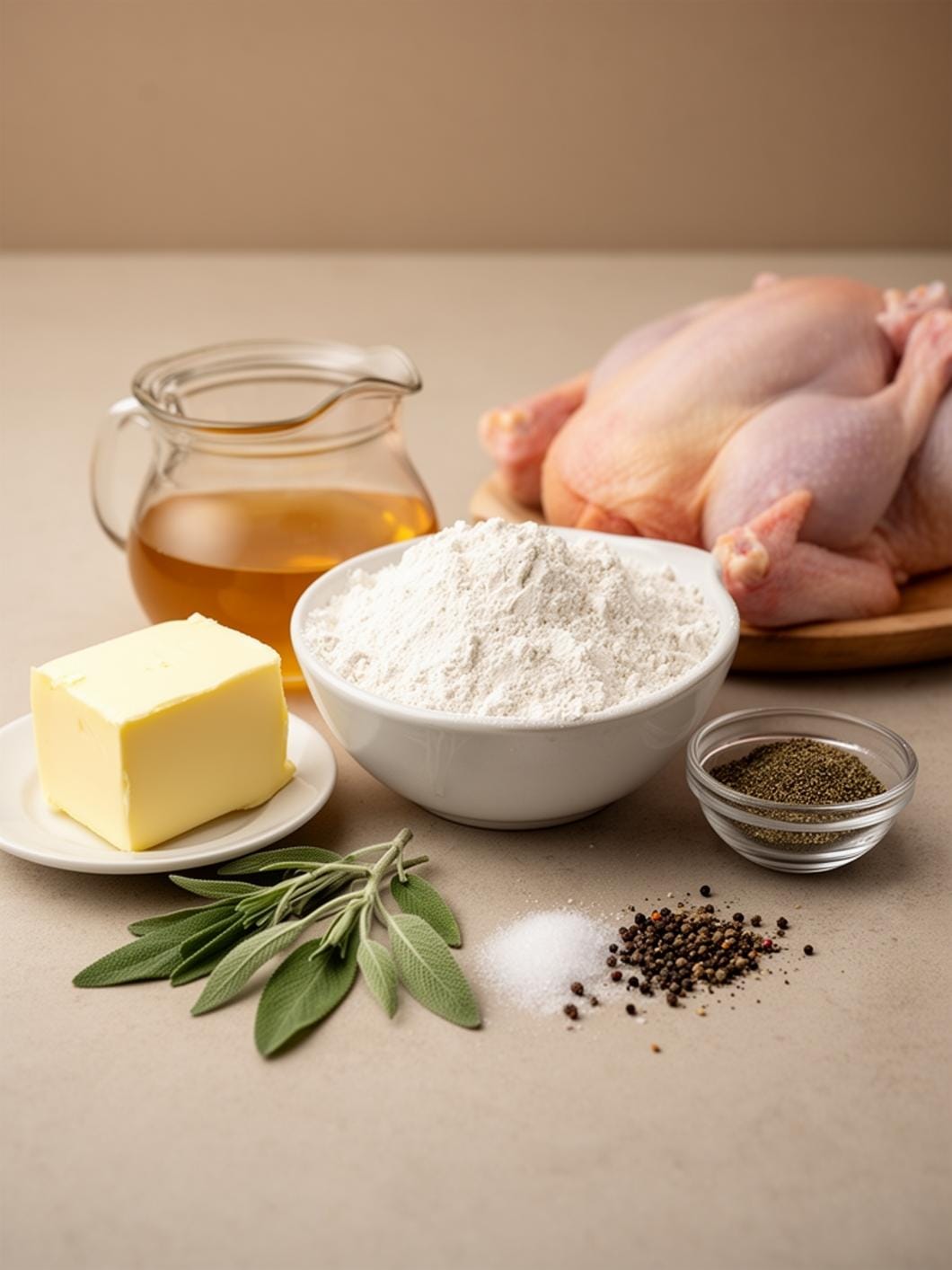
- 6 tablespoons unsalted butter
- 1/2 cup all-purpose flour
- 4 cups chicken or turkey broth, low sodium
- 1/2 teaspoon dried sage
- 1/4 teaspoon black pepper
- 1/4 teaspoon salt, or to taste
For the broth, using a good quality, low-sodium chicken or turkey broth is essential for the best flavor. This allows you to control the saltiness of the final gravy. You can also use a combination of chicken and vegetable broth if you prefer. When it comes to butter, unsalted is recommended so you can adjust the seasoning precisely, but if you only have salted, just be sure to taste before adding additional salt.
Time Needed From Start To Finish
This recipe is designed for speed and efficiency, perfect for a busy holiday kitchen. You’ll be amazed at how quickly you can whip up a batch of delicious, homemade gravy.
Prep time: 5 minutes Cook time: 10-15 minutes Total time: 15-20 minutes
How To Make It Step By Step With Visual Cues

Making this gravy is a breeze. Follow these simple steps for a smooth, flavorful sauce that will impress everyone at your table.
- Melt the Butter in a Medium Saucepan: Place a medium-sized saucepan over medium heat. Add the unsalted butter and let it melt completely. Swirl the pan gently to coat the bottom evenly. You want the butter to be fully liquid and slightly shimmering, but not browning.
- Whisk in the Flour to Create a Roux: Once the butter is melted, sprinkle the all-purpose flour over the melted butter. Immediately begin whisking continuously. Continue whisking for 1-2 minutes, until the mixture forms a smooth, pale golden paste, known as a roux. This step is crucial for thickening the gravy and cooking out the raw flour taste.
- Gradually Add the Broth While Whisking: Slowly pour in about 1 cup of the chicken or turkey broth into the roux, whisking constantly to incorporate it smoothly. The mixture will be very thick at first. Continue gradually adding the remaining broth, about 1/2 cup at a time, whisking vigorously after each addition until the gravy is smooth and lump-free.
- Bring to a Simmer and Thicken: Increase the heat slightly to medium-high and bring the gravy to a gentle simmer, continuing to whisk occasionally. As it heats, the gravy will begin to thicken. Let it simmer for 5-7 minutes, or until it reaches your desired consistency. It should be thick enough to coat the back of a spoon.
- Stir in Seasonings: Reduce the heat to low. Stir in the dried sage, black pepper, and salt. Taste the gravy and adjust the seasoning as needed. You might want to add a little more salt or pepper, depending on your preference and the saltiness of your broth.
- Serve Warm: Remove the gravy from the heat and serve immediately. If you’re not serving it right away, keep it warm over very low heat, stirring occasionally, or transfer it to a warmed gravy boat.
Easy Variations And Serving Ideas That Fit Real Life
This “no drippings” turkey gravy is incredibly versatile and can be adapted to suit various tastes and occasions. For a richer flavor, you can add a splash of dry white wine or sherry along with the broth – just a tablespoon or two makes a big difference. If you want a slightly earthy note, a pinch of dried thyme or a tiny amount of poultry seasoning can be stirred in with the sage. For a creamier gravy, a tablespoon or two of heavy cream can be whisked in at the very end.
This gravy is a natural partner for your Thanksgiving turkey and mashed potatoes, but don’t stop there! It’s fantastic over roasted chicken, pork chops, or even meatloaf. For a kid-friendly twist, serve it alongside chicken nuggets or fries for a fun dipping sauce. It’s also excellent over hot turkey sandwiches, open-faced roast beef sandwiches, or even as a base for a quick shepherd’s pie. For a buffet, keep it warm in a slow cooker on the “warm” setting, stirring occasionally, so guests can help themselves.
Common Slip-Ups And How To Avoid Them
Even simple recipes can have common pitfalls. Knowing what to watch out for will help you achieve perfect gravy every time.
- Lumpy Gravy: This is the most common issue. Lumps usually form when the flour isn’t fully incorporated into the butter to create a smooth roux, or when the broth is added too quickly. To avoid this, whisk the flour into the butter continuously until it’s smooth, then add the broth slowly, whisking vigorously after each addition. If you do end up with a few lumps, don’t despair! You can strain the gravy through a fine-mesh sieve before serving to achieve a silky-smooth texture.
- Too Thin or Too Thick Gravy: Gravy consistency is a matter of personal preference, but sometimes it doesn’t turn out quite right. If your gravy is too thin, continue to simmer it gently, stirring frequently, to allow more water to evaporate and thicken it. If it’s too thick, simply whisk in a little more broth, a tablespoon at a time, until it reaches your desired consistency.
- Bland Flavor: If your gravy tastes a bit flat, it likely needs more seasoning. Taste it before serving and adjust with additional salt, pepper, or herbs like sage or thyme. A tiny splash of soy sauce or Worcestershire sauce can also add a deeper, umami flavor without making it taste like soy sauce.
- Burnt Roux: When making the roux, it’s important to keep the heat at medium and whisk constantly. If the butter and flour mixture starts to brown too quickly or smells burnt, it’s best to start over, as a burnt roux will impart an unpleasant flavor to your gravy.
How To Store It And Make It Ahead Without Ruining Texture
This turkey gravy is excellent for making ahead, which is a huge time-saver, especially during the holidays. To make it ahead, prepare the gravy as directed, then let it cool completely. Once cooled, transfer it to an airtight container and store it in the refrigerator for up to 3-4 days.
When you’re ready to serve, gently reheat the gravy in a saucepan over medium-low heat, stirring frequently. Gravy tends to thicken considerably as it cools, so you’ll likely need to add a splash or two of extra chicken or turkey broth or even a little water while reheating to thin it back to your desired consistency. Whisk it well as it heats to ensure it’s smooth. You can also freeze leftover gravy for up to 3 months. Thaw it in the refrigerator overnight and reheat as described above, adding liquid as needed.
Questions People Always Ask Before Making This Recipe
Here are some common questions people have about making this easy turkey gravy.
- Can I use water instead of broth? While you can technically use water, it will result in a much less flavorful gravy. Broth is essential for that rich, savory taste. If you don’t have turkey or chicken broth, vegetable broth can be a decent substitute.
- What if I don’t have unsalted butter? If you only have salted butter, that’s fine. Just be sure to taste the gravy before adding any additional salt, as the salted butter will contribute to the overall sodium content.
- Can I make this gluten-free? Yes, you can! Substitute the all-purpose flour with a gluten-free all-purpose flour
FAQs
- Can I make these ahead? Yes—prep ahead, refrigerate, then serve when ready.
- How long do leftovers last? Store covered in the fridge for 3–4 days for best texture.
- Can I adjust sweetness? Yes—add more or less sweetener to taste.
- Can I change the fruit? Yes—swap strawberries for blueberries, raspberries, or sliced banana.