

This blood orange olive oil cake is a truly special dessert that brings together elegant flavors in a surprisingly simple package.
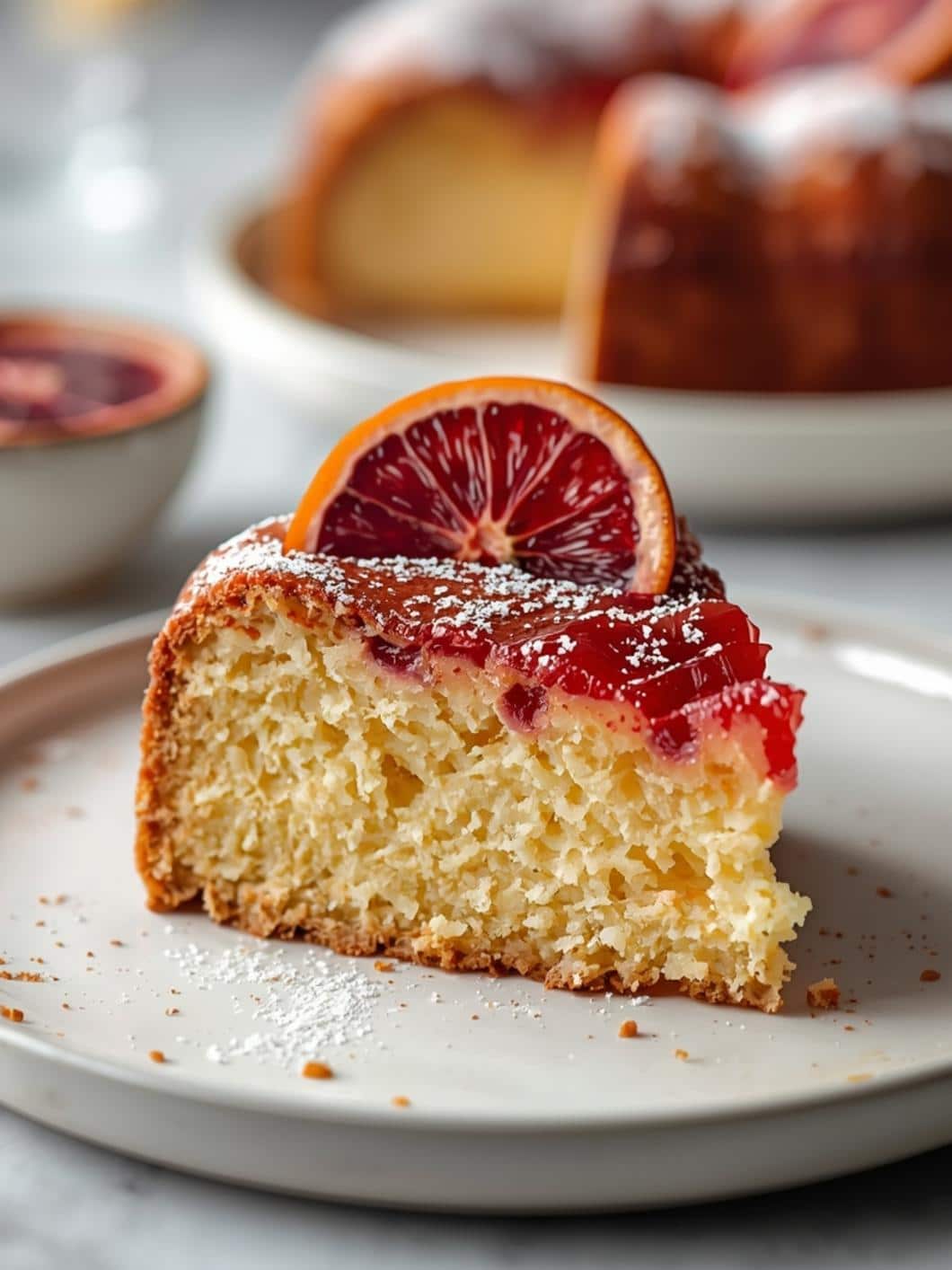
Its moist texture and bright citrus notes make it a standout, perfect for elevating any meal, from a casual family dinner to a more formal gathering.
If you’re looking for a dessert that feels gourmet but is entirely approachable for any home baker, this recipe is for you. The unique combination of fresh blood oranges and rich olive oil creates a cake that is both sophisticated and incredibly satisfying, offering a delightful twist on traditional cake recipes.

Blood Orange Olive Oil Cake
- Total Time: 1 hour 10 minutes - 1 hour 25 minutes
- Yield: 1 9-inch round cake 1x
Description
This blood orange olive oil cake is a truly special dessert that brings together elegant flavors in a surprisingly simple package. Its moist texture and bright citrus notes make it a standout, perfect for elevating any meal, from a casual family dinner to a more formal gathering. The unique combination of fresh blood oranges and rich olive oil creates a cake that is both sophisticated and incredibly satisfying, offering a delightful twist on traditional cake recipes.
Ingredients
Instructions
1. 1. Prepare Your Baking Pan and Oven: Begin by preheating your oven to 350 F (175 C). Lightly grease and flour a 9-inch round cake pan, or line it with parchment paper for easy removal. This step is crucial for preventing the cake from sticking.
2. 2. Combine Dry Ingredients: In a medium bowl, whisk together the all-purpose flour, baking powder, and salt. Make sure these are thoroughly combined to ensure even leavening throughout the cake. Set this bowl aside.
3. 3. Mix Wet Ingredients (Except Olive Oil): In a large mixing bowl, combine the granulated sugar and eggs. Beat them together with an electric mixer on medium-high speed for about 3-5 minutes, until the mixture becomes pale yellow, thick, and fluffy. This aeration is key to a light cake texture.
4. 4. Incorporate Olive Oil and Flavorings: Reduce the mixer speed to low. Gradually drizzle in the extra virgin olive oil, mixing until just combined. Then, add the fresh blood orange juice, blood orange zest, and vanilla extract. Mix until everything is incorporated, being careful not to overmix. The mixture will look a bit liquidy at this stage.
5. 5. Fold in Dry Ingredients: Add the dry ingredient mixture to the wet ingredients in three additions, folding gently with a spatula after each addition until just combined. Stop mixing as soon as no dry streaks of flour remain. Overmixing can lead to a tough cake.
6. 6. Bake the Cake: Pour the batter evenly into your prepared cake pan. Transfer the pan to the preheated oven and bake for 35-40 minutes, or until a wooden skewer or toothpick inserted into the center comes out clean. The cake should be golden brown around the edges and spring back lightly when touched.
7. 7. Cool and Glaze: Once baked, remove the cake from the oven and let it cool in the pan on a wire rack for about 10-15 minutes. This allows the cake to set properly. After this initial cooling, carefully invert the cake onto the wire rack to cool completely. Once fully cooled, prepare the optional glaze by whisking together the powdered sugar and blood orange juice until smooth. Drizzle the glaze over the cooled cake before serving.
- Prep Time: 15 minutes
- Cook Time: 35-40 minutes
- Category: dessert
- Method: baking
- Cuisine: mediterranean
Nutrition
- Serving Size: 1 slice
Keywords: blood orange, olive oil, cake, citrus, dessert, easy, moist, sweet, baking, fruit
What You’ll Love About This Quick And Easy Recipe
This blood orange olive oil cake is a fantastic choice for anyone who appreciates a dessert that’s a little out of the ordinary but still comforting and familiar. You’ll love how the vibrant, slightly tart flavor of blood oranges perfectly complements the subtle, fruity notes of good quality olive oil, resulting in a cake that’s incredibly moist and tender. It’s a sophisticated treat that’s easy enough for a weeknight but impressive enough for a special occasion like a birthday, an anniversary, or even just a lovely Sunday brunch. This recipe is perfect for home bakers who enjoy experimenting with unique flavor combinations without needing advanced techniques or obscure ingredients. It’s also a wonderful way to enjoy seasonal blood oranges when they are at their peak.
Everything You Need To Make This Recipe Without Stress
Gathering your ingredients before you start baking will make the entire process smooth and enjoyable. Most of these items are likely already in your pantry, with the star ingredient, blood oranges, being the main specialty item. Don’t worry if you can’t find blood oranges; regular oranges can be a good substitute, though the color and a subtle flavor nuance will change.
INGREDIENTS:
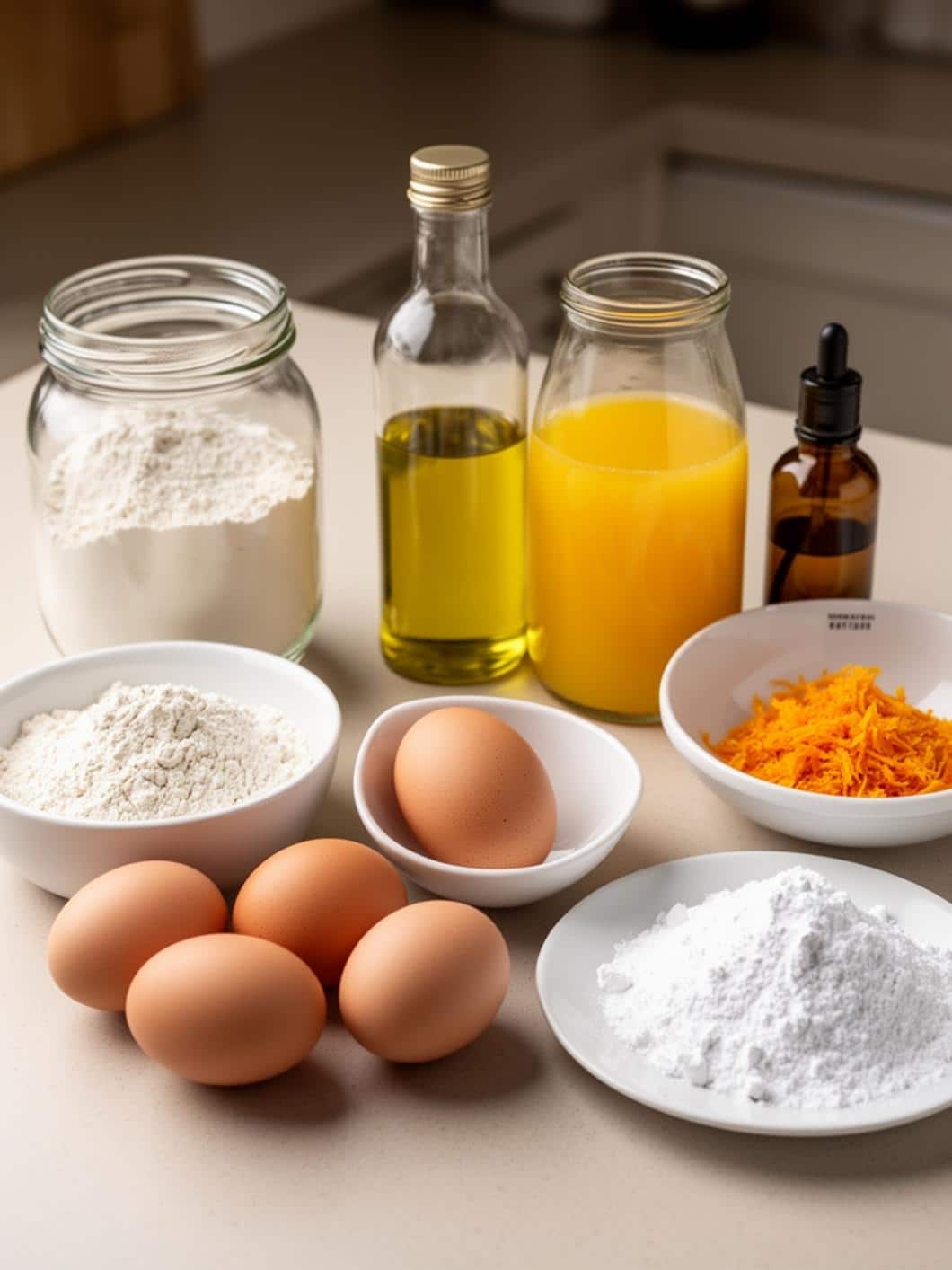
- 1 ½ cups all-purpose flour
- 1 ½ teaspoons baking powder
- ½ teaspoon salt
- 1 cup granulated sugar
- 3 large eggs
- ½ cup extra virgin olive oil
- ½ cup fresh blood orange juice (from about 2-3 blood oranges)
- 1 tablespoon blood orange zest (from about 1-2 blood oranges)
- ½ teaspoon vanilla extract
- For the glaze (optional):
- 1 cup powdered sugar
- 2-3 tablespoons fresh blood orange juice
When selecting your olive oil, opt for a good quality extra virgin olive oil. It doesn’t need to be the most expensive bottle on the shelf, but one with a pleasant, mild fruity flavor will shine through beautifully in the cake. Avoid anything labeled “light” or “refined” olive oil, as these lack the characteristic flavor and richness that makes this cake so special. For the blood oranges, look for firm, heavy fruits with a deep red blush on their skin. If blood oranges are out of season or hard to find, navel oranges can be used as a substitute for both the juice and zest. The cake will still be delicious, though it will lack the distinctive ruby hue and slightly more complex flavor profile of blood oranges.
Time Needed From Start To Finish
This cake is surprisingly quick to put together, making it an ideal choice when you want a homemade dessert without spending hours in the kitchen.
- Preparation Time: 15 minutes
- Baking Time: 35-40 minutes
- Cooling and Glazing Time: 20-30 minutes
- Total Time: Approximately 1 hour 10 minutes to 1 hour 25 minutes
This timeline ensures you can enjoy a freshly baked, beautifully flavored cake with minimal fuss, perfect for fitting into a busy schedule.
How To Make It Step By Step With Visual Cues
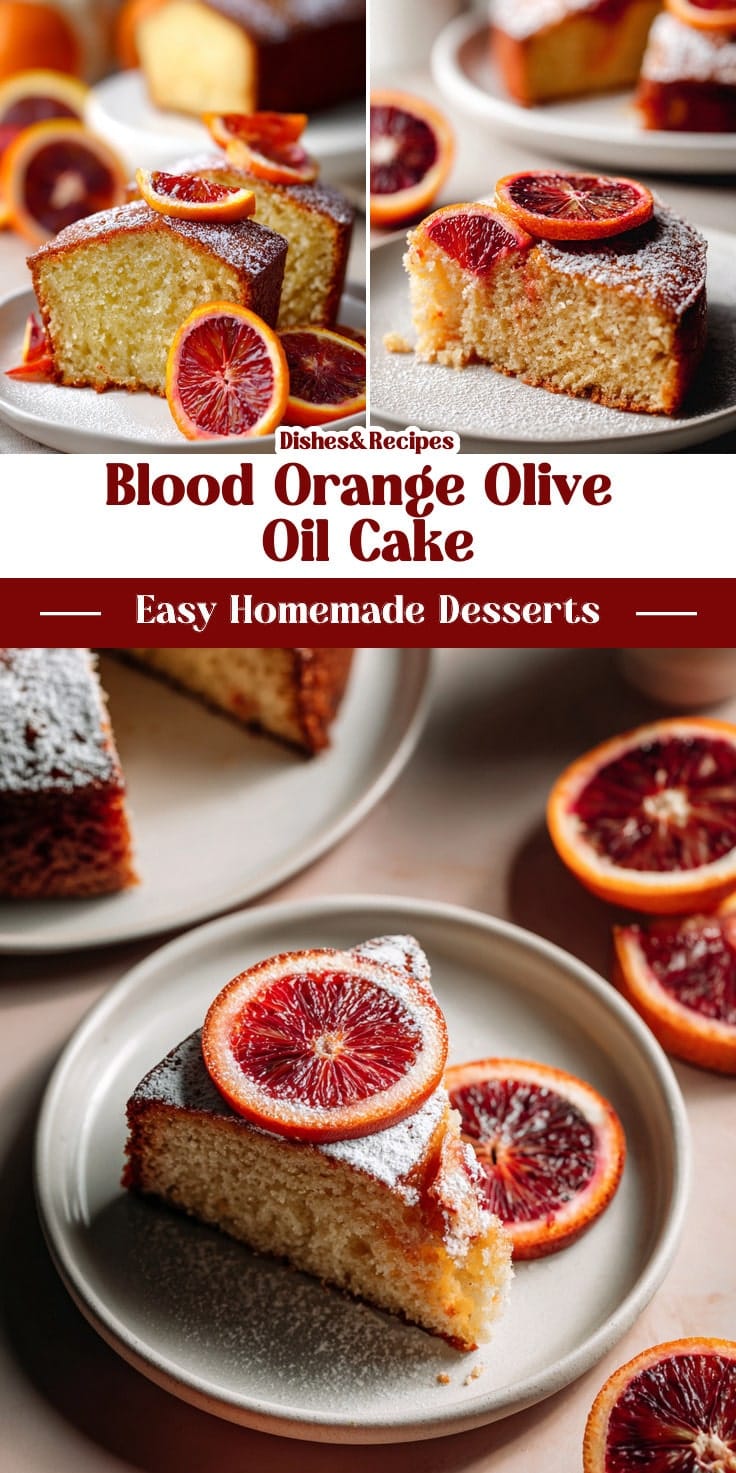
Making this blood orange olive oil cake is a straightforward process, even for beginner bakers. Follow these steps carefully, and you’ll have a delicious dessert ready in no time.
- Prepare Your Baking Pan and Oven: Begin by preheating your oven to 350°F (175°C). Lightly grease and flour a 9-inch round cake pan, or line it with parchment paper for easy removal. This step is crucial for preventing the cake from sticking.
- Combine Dry Ingredients: In a medium bowl, whisk together the all-purpose flour, baking powder, and salt. Make sure these are thoroughly combined to ensure even leavening throughout the cake. Set this bowl aside.
- Mix Wet Ingredients (Except Olive Oil): In a large mixing bowl, combine the granulated sugar and eggs. Beat them together with an electric mixer on medium-high speed for about 3-5 minutes, until the mixture becomes pale yellow, thick, and fluffy. This aeration is key to a light cake texture.
- Incorporate Olive Oil and Flavorings: Reduce the mixer speed to low. Gradually drizzle in the extra virgin olive oil, mixing until just combined. Then, add the fresh blood orange juice, blood orange zest, and vanilla extract. Mix until everything is incorporated, being careful not to overmix. The mixture will look a bit liquidy at this stage.
- Fold in Dry Ingredients: Add the dry ingredient mixture to the wet ingredients in three additions, folding gently with a spatula after each addition until just combined. Stop mixing as soon as no dry streaks of flour remain. Overmixing can lead to a tough cake.
- Bake the Cake: Pour the batter evenly into your prepared cake pan. Transfer the pan to the preheated oven and bake for 35-40 minutes, or until a wooden skewer or toothpick inserted into the center comes out clean. The cake should be golden brown around the edges and spring back lightly when touched.
- Cool and Glaze: Once baked, remove the cake from the oven and let it cool in the pan on a wire rack for about 10-15 minutes. This allows the cake to set properly. After this initial cooling, carefully invert the cake onto the wire rack to cool completely. Once fully cooled, prepare the optional glaze by whisking together the powdered sugar and blood orange juice until smooth. Drizzle the glaze over the cooled cake before serving.
Easy Variations And Serving Ideas That Fit Real Life
This blood orange olive oil cake is fantastic on its own, but there are many ways to adapt it to your taste or occasion. For a simple yet elegant presentation, serve slices of the cake with a dusting of powdered sugar instead of a glaze.
- Citrus Burst: For an even more intense citrus flavor, add a teaspoon of orange blossom water or a few drops of food-grade orange essential oil to the batter along with the vanilla extract.
- Herbaceous Twist: A subtle addition of finely chopped fresh rosemary or thyme (about ½ teaspoon) to the batter can add an unexpected and delightful aromatic note that pairs wonderfully with olive oil and orange.
- Nutty Crunch: Fold in ½ cup of finely chopped pistachios or almonds into the batter just before baking for added texture and flavor.
- Yogurt Companion: Serve individual slices with a dollop of plain Greek yogurt or crème fraîche. The tanginess provides a lovely contrast to the cake’s sweetness.
- Berry Medley: A scattering of fresh berries (raspberries, blueberries, or sliced strawberries) alongside a slice of cake adds color and a burst of fresh fruitiness, especially lovely in warmer months.
- Whipped Cream Indulgence: A light swirl of homemade whipped cream, perhaps lightly sweetened with a touch of orange zest, makes for a more decadent dessert.
- For Kids: While this cake has sophisticated flavors, kids often enjoy its moist texture. You can make it more appealing by adding a few chocolate chips to the batter or serving it with a scoop of vanilla ice cream. The glaze is also usually a hit!
Common Slip-Ups And How To Avoid Them
Even simple recipes can have common pitfalls. Being aware of these can help ensure your blood orange olive oil cake turns out perfectly every time.
- Overmixing the Batter: This is perhaps the most common mistake in cake baking. Overmixing develops the gluten in the flour too much, leading to a tough, dense cake. Once you add the dry ingredients, mix only until just combined and no streaks of flour are visible.
- Not Greasing and Flourishing the Pan Properly: A cake sticking to the pan is incredibly frustrating. Take the time to thoroughly grease and flour your cake pan, or use parchment paper on the bottom. This small step saves a lot of heartache.
- Baking at the Wrong Temperature: An oven that’s too hot can burn the outside while leaving the inside raw, while one that’s too cool can result in a dry, dense cake. Always preheat your oven fully and, if you suspect your oven runs hot or cold, consider using an oven thermometer for accuracy.
- Opening the Oven Door Too Early: Resist the urge to peek during the first 25-30 minutes of baking. Opening the door can cause the cake to collapse in the center due to a sudden drop in temperature.
- Not Using Fresh Citrus: The flavor of this cake heavily relies on fresh blood orange juice and zest. Bottled juice simply won’t provide the same vibrant, bright flavor. Always use freshly squeezed juice and freshly grated zest for the best results.
- Using the Wrong Olive Oil: While you don’t need a super expensive olive oil, using a very strong, peppery, or old olive oil can negatively impact the

FAQs
- Can I make these ahead? Yes—prep ahead, refrigerate, then serve when ready.
- How long do leftovers last? Store covered in the fridge for 3–4 days for best texture.
- Can I adjust sweetness? Yes—add more or less sweetener to taste.
- Can I change the fruit? Yes—swap strawberries for blueberries, raspberries, or sliced banana.