

Making delicious candied orange peel at home is a surprisingly simple and rewarding kitchen project.
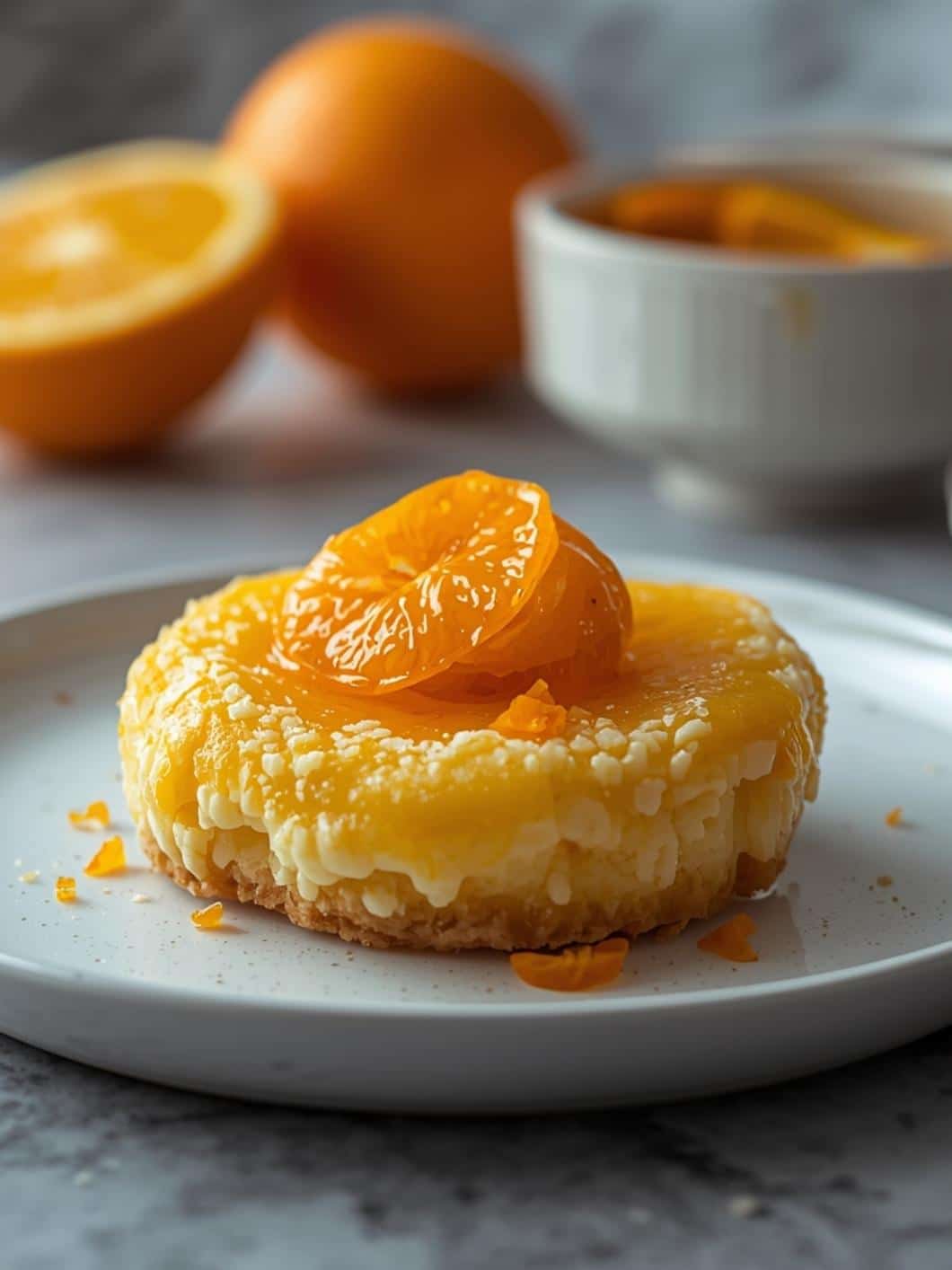
This easy recipe transforms fresh orange peels into a sweet, slightly bitter, and beautifully translucent treat, perfect for elevating your favorite desserts and drinks. It’s a fantastic way to utilize the often-discarded parts of an orange, turning them into a gourmet garnish.
This homemade candied orange peel offers a vibrant burst of citrus flavor and a lovely chewy texture. Whether you’re looking to add a professional touch to your baked goods, a zesty twist to cocktails, or simply enjoy a sweet, flavorful snack, this recipe is a true kitchen gem that delivers impressive results with minimal fuss.
Table of Contents
- What You’ll Love About This Quick And Easy Recipe
- Everything You Need To Make This Recipe Without Stress
- Time Needed From Start To Finish
- How To Make It Step By Step With Visual Cues
- Easy Variations And Serving Ideas That Fit Real Life
- Common Slip-Ups And How To Avoid Them
- How To Store It And Make It Ahead Without Ruining Texture

Homemade Candied Orange Peel
- Total Time: 25-50 hours (including drying time)
- Yield: 4 servings 1x
Description
This easy recipe transforms fresh orange peels into a sweet, slightly bitter, and beautifully translucent treat, perfect for elevating your favorite desserts and drinks. It’s a fantastic way to utilize the often-discarded parts of an orange, turning them into a gourmet garnish.
Ingredients
Instructions
1. Prepare the Orange Peels: Wash the oranges thoroughly. Using a sharp knife or a vegetable peeler, carefully remove the peel in large strips, trying to avoid as much of the white pith as possible. If using a knife, you can quarter the orange first and then carefully slice off the peel. Once peeled, use a small spoon or the back of a knife to scrape away any remaining white pith from the inside of the peels. This step is important for reducing bitterness. Cut the peels into thin strips, about 1/4 inch wide and 2-3 inches long. They should look like little orange ribbons.
2. First Blanching (Softening and Debittering): Place the orange peel strips in a medium saucepan and cover them with 3 cups of cold water. Bring the water to a boil over medium-high heat. Once boiling, reduce the heat and simmer for 10 minutes. This helps to soften the peels and remove some of their bitterness. After 10 minutes, drain the peels in a colander and rinse them thoroughly under cold running water. You’ll notice the peels are a bit more pliable.
3. Second Blanching (Further Softening): Return the blanched peels to the clean saucepan and again cover them with 3 cups of fresh cold water. Bring to a boil, then reduce heat and simmer for another 10 minutes. Drain and rinse once more. This double blanching ensures the peels are tender and much of the bitterness is gone, leaving behind a pleasant citrusy flavor.
4. Create the Sugar Syrup: In the same saucepan (no need to clean it again), combine 2 cups of granulated sugar, 2 cups of fresh water, and the 1/4 teaspoon of salt. Bring the mixture to a boil over medium heat, stirring occasionally until the sugar is completely dissolved. The syrup should be clear and shimmering.
5. Simmer the Peels in Syrup: Add the blanched orange peels to the boiling sugar syrup. Reduce the heat to low and let the peels simmer gently in the syrup for 45-60 minutes. The goal is for the peels to become translucent and absorb the syrup, looking almost glassy. Stir occasionally to ensure even cooking. The syrup will thicken significantly.
6. Cool and Drain: Once the peels are translucent, remove the saucepan from the heat. Carefully remove the peels from the hot syrup using a slotted spoon or tongs. Place them on a wire rack set over a baking sheet (to catch any drips). Allow them to cool for about 15-20 minutes, letting any excess syrup drip off.
7. Sugar Coating and Drying: While the peels are still warm and slightly tacky, but cool enough to handle, gently toss them in a bowl with additional granulated sugar until they are evenly coated. Arrange the sugared peels in a single layer on a clean wire rack. Let them air dry at room temperature for 24-48 hours, or until they are no longer sticky and are firm but still pliable. This drying process is crucial for their texture and shelf life.
- Prep Time: 15 minutes
- Cook Time: 60-75 minutes
- Category: dessert
- Method: candying
- Cuisine: european
Nutrition
- Serving Size: 1/4 of recipe
Keywords: candied orange peel, citrus, dessert, garnish, sweet treat, homemade, orange, easy, baking, cocktail garnish
What You’ll Love About This Quick And Easy Recipe
This recipe is a true winner for anyone looking to add a touch of elegance and homemade charm to their culinary creations without spending hours in the kitchen. It’s incredibly beginner-friendly, requiring no special skills or fancy equipment, just a little patience and a few common ingredients. You’ll love how it transforms something as simple as orange peel into a gourmet delight. This candied orange peel is perfect for home bakers who want to elevate their cakes, cookies, and tarts, or for anyone who enjoys crafting beautiful cocktails and needs a sophisticated garnish. It’s also a wonderful way to minimize food waste by giving a second life to citrus peels. Serve it as a standalone sweet treat, chop it into fruitcakes or biscotti, or use it to decorate chocolate-dipped desserts for a stunning presentation.
Everything You Need To Make This Recipe Without Stress
Gathering your ingredients for this candied orange peel is straightforward. You likely have most of what you need already in your pantry. The key is to select fresh, unblemished oranges for the best flavor and appearance.
INGREDIENTS:
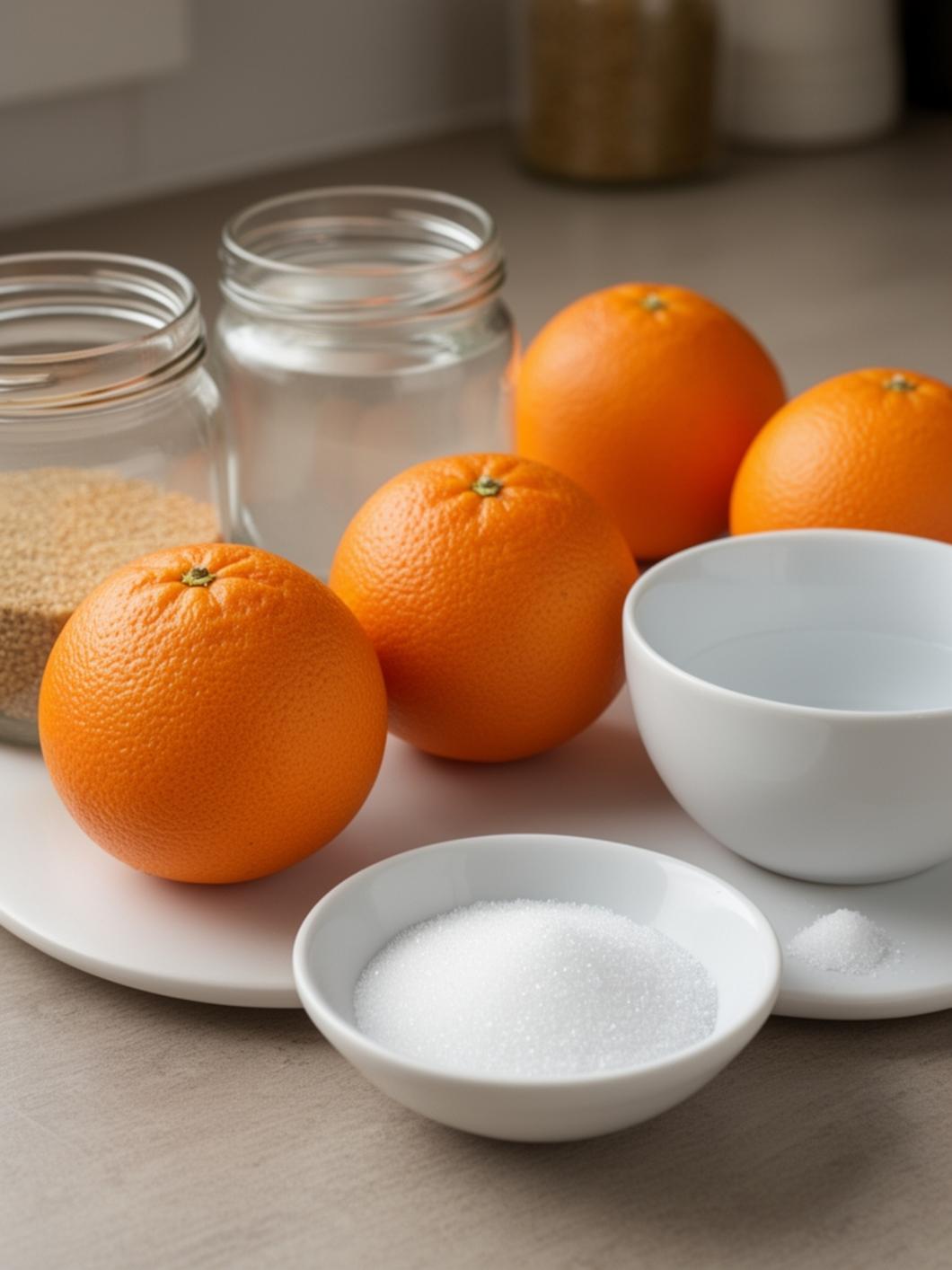
- 4 large oranges (preferably organic, navel or Valencia work well)
- 6 cups water (divided)
- 2 cups granulated sugar (plus more for coating)
- 1/4 teaspoon salt
When choosing oranges, opt for ones with thick, unblemished skins, as these will yield the best peels for candying. Organic oranges are often preferred since you’ll be using the peel directly, reducing concerns about pesticides. For the sugar, regular granulated sugar works perfectly, but you can also experiment with superfine sugar for a slightly smoother coating. The salt is a crucial, often overlooked ingredient that helps balance the sweetness and brings out the vibrant orange flavor.
Time Needed From Start To Finish
This recipe involves several stages of simmering and drying, so while the active hands-on time is relatively short, the overall process takes a bit longer.
- Prep time: 15 minutes (peeling, slicing, initial blanching)
- Cook time: 60-75 minutes (simmering in sugar syrup)
- Drying time: 24-48 hours (at room temperature)
- Total time: Approximately 25-50 hours (including drying time)
While the drying time is significant, it’s mostly passive, allowing you to go about your day while the candied peels transform. The active cooking steps are quite manageable and spread out.
How To Make It Step By Step With Visual Cues
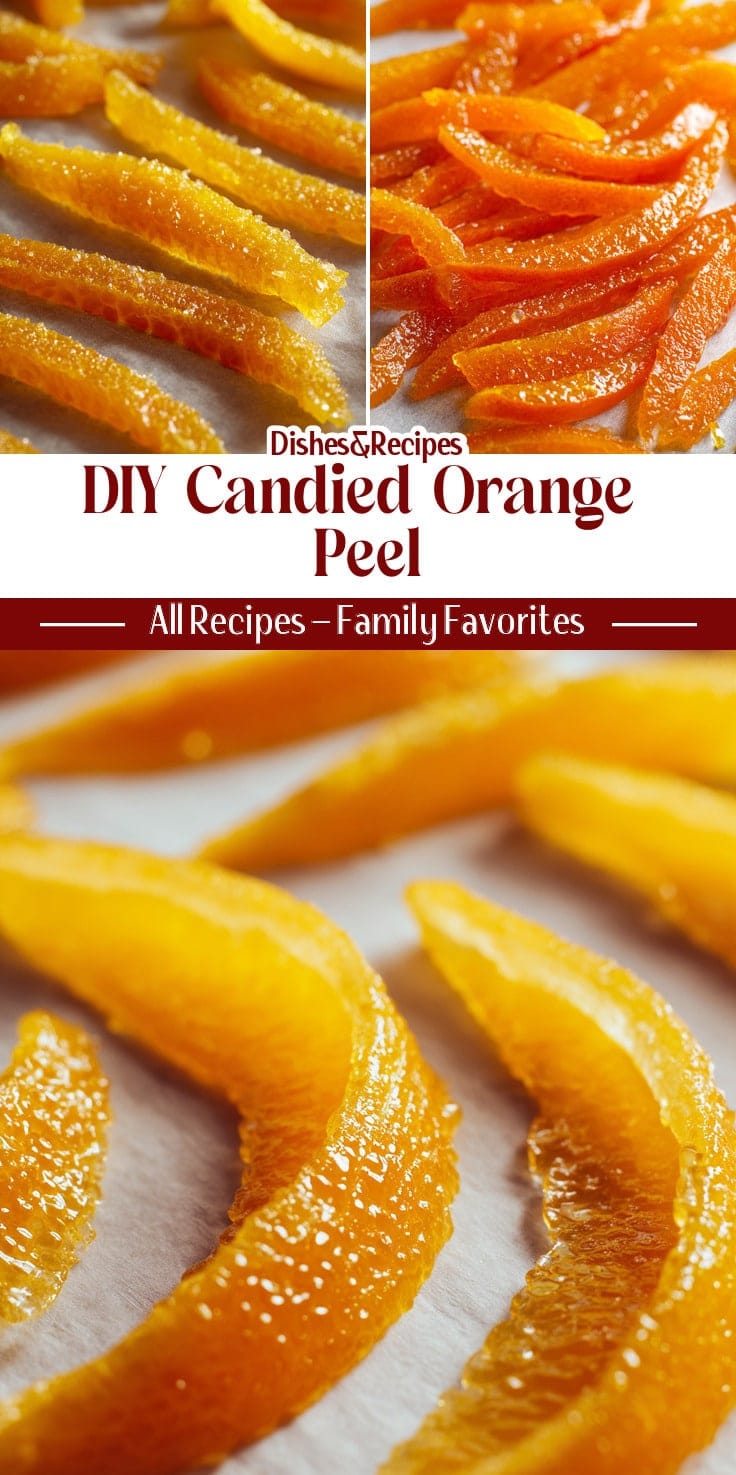
Making candied orange peel is a process of softening the peel and then infusing it with a sweet syrup. Follow these steps for perfect results.
- Prepare the Orange Peels: Wash the oranges thoroughly. Using a sharp knife or a vegetable peeler, carefully remove the peel in large strips, trying to avoid as much of the white pith as possible. If using a knife, you can quarter the orange first and then carefully slice off the peel. Once peeled, use a small spoon or the back of a knife to scrape away any remaining white pith from the inside of the peels. This step is important for reducing bitterness. Cut the peels into thin strips, about 1/4 inch wide and 2-3 inches long. They should look like little orange ribbons.
- First Blanching (Softening and Debittering): Place the orange peel strips in a medium saucepan and cover them with 3 cups of cold water. Bring the water to a boil over medium-high heat. Once boiling, reduce the heat and simmer for 10 minutes. This helps to soften the peels and remove some of their bitterness. After 10 minutes, drain the peels in a colander and rinse them thoroughly under cold running water. You’ll notice the peels are a bit more pliable.
- Second Blanching (Further Softening): Return the blanched peels to the clean saucepan and again cover them with 3 cups of fresh cold water. Bring to a boil, then reduce heat and simmer for another 10 minutes. Drain and rinse once more. This double blanching ensures the peels are tender and much of the bitterness is gone, leaving behind a pleasant citrusy flavor.
- Create the Sugar Syrup: In the same saucepan (no need to clean it again), combine 2 cups of granulated sugar, 2 cups of fresh water, and the 1/4 teaspoon of salt. Bring the mixture to a boil over medium heat, stirring occasionally until the sugar is completely dissolved. The syrup should be clear and shimmering.
- Simmer the Peels in Syrup: Add the blanched orange peels to the boiling sugar syrup. Reduce the heat to low and let the peels simmer gently in the syrup for 45-60 minutes. The goal is for the peels to become translucent and absorb the syrup, looking almost glassy. Stir occasionally to ensure even cooking. The syrup will thicken significantly.
- Cool and Drain: Once the peels are translucent, remove the saucepan from the heat. Carefully remove the peels from the hot syrup using a slotted spoon or tongs. Place them on a wire rack set over a baking sheet (to catch any drips). Allow them to cool for about 15-20 minutes, letting any excess syrup drip off.
- Sugar Coating and Drying: While the peels are still warm and slightly tacky, but cool enough to handle, gently toss them in a bowl with additional granulated sugar until they are evenly coated. Arrange the sugared peels in a single layer on a clean wire rack. Let them air dry at room temperature for 24-48 hours, or until they are no longer sticky and are firm but still pliable. This drying process is crucial for their texture and shelf life.
Easy Variations And Serving Ideas That Fit Real Life
Candied orange peel is incredibly versatile and can be adapted to suit various tastes and occasions. For a fun twist, consider dipping half of the dried candied peels in melted dark chocolate. This creates an elegant treat that’s perfect for gifting or serving at dinner parties. You can also experiment with other citrus fruits like lemons, limes, or grapefruits, following the same method to create a colorful assortment of candied peels.
For serving, these beautiful citrus strips are fantastic as a garnish for cocktails like an Old Fashioned or a Negroni, adding a sophisticated touch. They are also wonderful finely chopped and folded into muffin batter, scone dough, or even homemade granola. Kids might enjoy them as a special sweet treat, especially if dipped in chocolate. They make a delightful edible decoration for cakes, cupcakes, and even holiday fruitcakes. Consider adding them to a cheese board for a sweet and tangy counterpoint to savory cheeses.
Common Slip-Ups And How To Avoid Them
Even simple recipes can have common pitfalls. Here’s how to ensure your candied orange peel turns out perfectly every time.
- Leaving too much white pith: The white pith under the orange skin is very bitter. If you don’t scrape enough of it off, your candied peels will have an unpleasant bitter aftertaste. Take your time in step 1 to remove as much as possible.
- Not blanching enough: The blanching steps are essential for softening the peels and further reducing bitterness. Skipping these steps or cutting them short will result in tough, overly bitter candied peels. Don’t rush this part of the process.
- Overcooking the syrup: If the sugar syrup cooks too long or at too high a temperature, it can crystallize, making your peels grainy or hard. Keep the heat low during the simmering stage and stir gently.
- Not drying properly: If the peels aren’t dried long enough, they will remain sticky and can clump together or mold quickly. Ensure they are completely dry to the touch and firm before storing them. A humid environment might require a longer drying time.
- Using thin-skinned oranges: Oranges with very thin skins don’t hold up as well during the candying process and can become fragile. Opt for thicker-skinned varieties like navel or Valencia oranges for the best results.
How To Store It And Make It Ahead Without Ruining Texture
Proper storage is key to maintaining the beautiful texture and flavor of your homemade candied orange peel. Once fully dried and no longer sticky, store the candied orange peels in an airtight container at room temperature. A glass jar or a sealed plastic container works well. Placed in a cool, dry pantry, they can last for up to 2-3 weeks. If you live in a very humid climate, you might want to consider storing them in the refrigerator to prevent stickiness, though this can sometimes make them a little firmer.
For longer storage, candied orange peel can be frozen. Arrange the dried peels in a single layer on a baking

FAQs
- Can I make these ahead? Yes—prep ahead, refrigerate, then serve when ready.
- How long do leftovers last? Store covered in the fridge for 3–4 days for best texture.
- Can I adjust sweetness? Yes—add more or less sweetener to taste.
- Can I change the fruit? Yes—swap strawberries for blueberries, raspberries, or sliced banana.