

Making your own candied orange peel at home might sound fancy, but it’s surprisingly simple and incredibly rewarding.
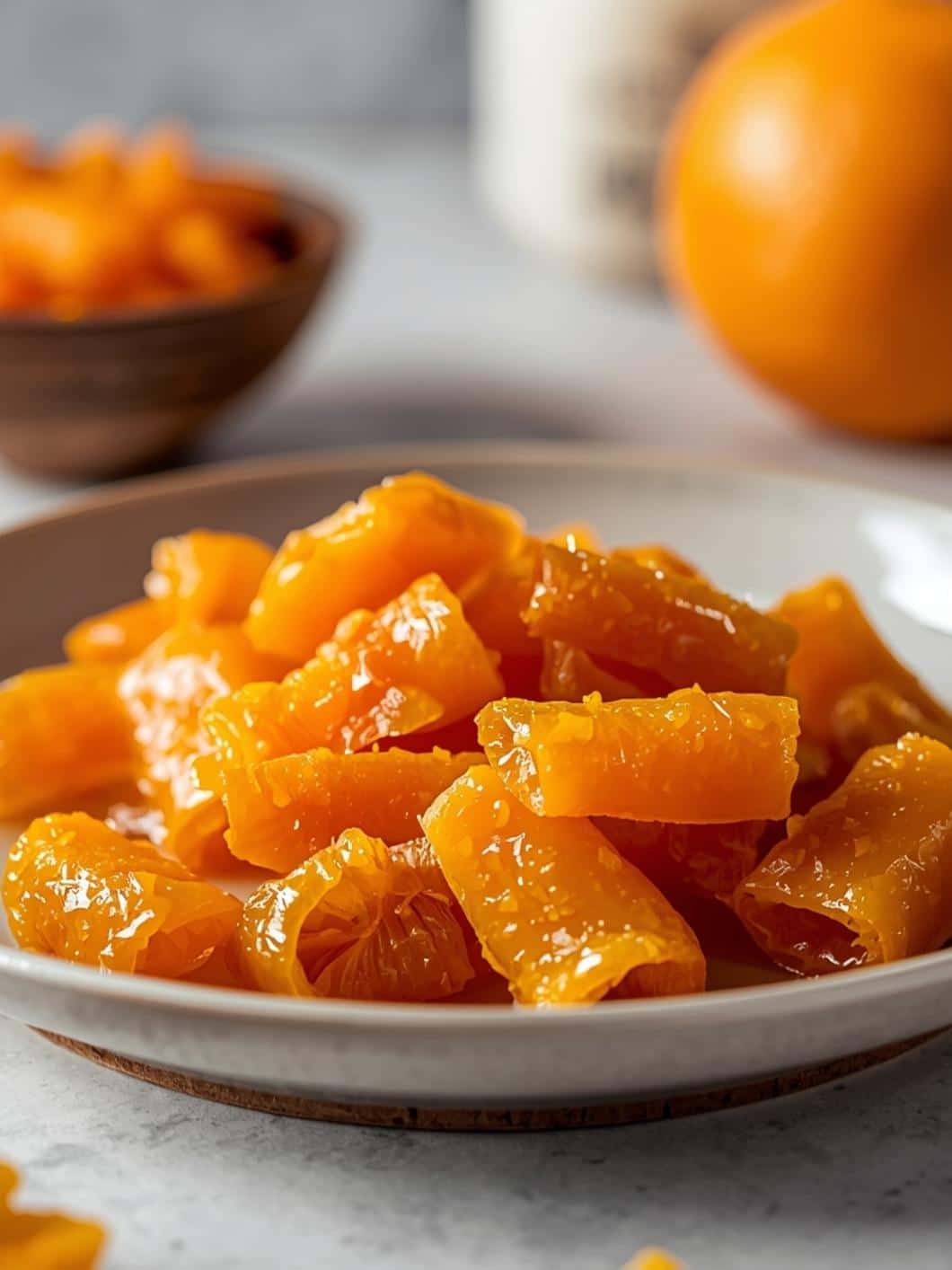
This recipe focuses on natural sweeteners, giving you a delicious treat that’s perfect for snacking, garnishing desserts, or adding a citrusy zing to your baked goods.
Forget the overly sweet, artificially flavored versions you might find in stores. This homemade candied orange peel offers a bright, fresh orange flavor with just the right amount of sweetness, making it a delightful addition to your kitchen repertoire.

Candied Orange Peel (Naturally Sweetened)
- Total Time: 1 hour 20 minutes to 1 hour 35 minutes
- Yield: 1 cup 1x
Description
Making your own candied orange peel at home might sound fancy, but it’s surprisingly simple and incredibly rewarding. This recipe focuses on natural sweeteners, giving you a delicious treat that’s perfect for snacking, garnishing desserts, or adding a citrusy zing to your baked goods. Forget the overly sweet, artificially flavored versions you might find in stores. This homemade candied orange peel offers a bright, fresh orange flavor with just the right amount of sweetness, making it a delightful addition to your kitchen repertoire.
Ingredients
Instructions
1. Wash the oranges thoroughly. Using a sharp knife, score the orange peel into four or six sections from top to bottom, being careful not to cut into the fruit itself. Gently peel off the sections. You can also use a vegetable peeler to get long strips, then trim them.
2. With a small spoon or the back of your knife, carefully scrape away as much of the white pith from the inside of the orange peels as possible. This step is crucial for reducing bitterness. Aim for about 1/8 to 1/4 inch thickness of peel.
3. Cut the peeled and de-pithed orange strips into thin matchsticks, about 1/4 inch wide and 1-2 inches long. Uniformity helps them cook evenly.
4. Place the orange peel strips in a medium saucepan and cover with 2 cups of cold water. Bring to a boil over medium-high heat, then reduce heat and simmer for 10 minutes. Drain the water and repeat this blanching process two more times with fresh water each time. This further removes bitterness.
5. After the third blanching, drain the peels well. In the same saucepan, combine 1 cup of fresh water, 1 cup of natural sweetener (maple syrup, honey, or agave), and the salt. Bring to a gentle simmer, then add the blanched orange peels. Reduce the heat to low and simmer gently for 45-60 minutes, or until the peels are translucent and tender, and most of the liquid has been absorbed or evaporated into a thick syrup. Stir occasionally to prevent sticking.
6. Carefully remove the peels from the syrup using a slotted spoon or tongs. Place them in a single layer on a wire rack set over a baking sheet. Allow them to cool and dry for at least 4-6 hours, or overnight, at room temperature. They should feel tacky but not sticky.
7. If desired, once the peels are mostly dry, you can roll them in granulated sugar or coconut sugar for an extra sweet and sparkling finish. Gently toss them in a bowl with the sugar until evenly coated.
8. Return the sugar-coated peels to the wire rack for another hour or two to fully set.
- Prep Time: 20 minutes
- Cook Time: 60-75 minutes
- Category: dessert
- Method: candying
- Cuisine: european
Nutrition
- Serving Size: 1/4 cup
Keywords: candied orange peel, citrus candy, homemade candy, natural sweetener, orange zest, dessert garnish, baking ingredient, snack, low sugar, fruit candy
What You’ll Love About This Quick And Easy Recipe
This recipe is a true winner for anyone looking to create a gourmet-tasting treat without a lot of fuss. It’s perfect for home bakers who want to elevate their cakes, cookies, and pastries with a homemade touch, or simply for those who enjoy a sweet and tangy snack. It’s also an excellent way to use up orange peels that might otherwise go to waste, transforming them into something truly special. Families will appreciate how easy it is to involve kids in the process, especially during the simmering and coating stages, making it a fun kitchen activity. Serve it as a standalone candy, chop it into muffin batter, or use it as a beautiful, edible garnish for chocolate desserts or holiday platters.
Everything You Need To Make This Recipe Without Stress
Getting started with this candied orange peel recipe requires just a few basic ingredients, most of which you probably already have on hand. The key is fresh, good-quality oranges, as their zest and peel are the stars of the show. Using natural sweeteners like maple syrup or honey, or even a blend, helps keep the sugar content lower than traditional recipes while still achieving that delightful candied texture and flavor.
INGREDIENTS:
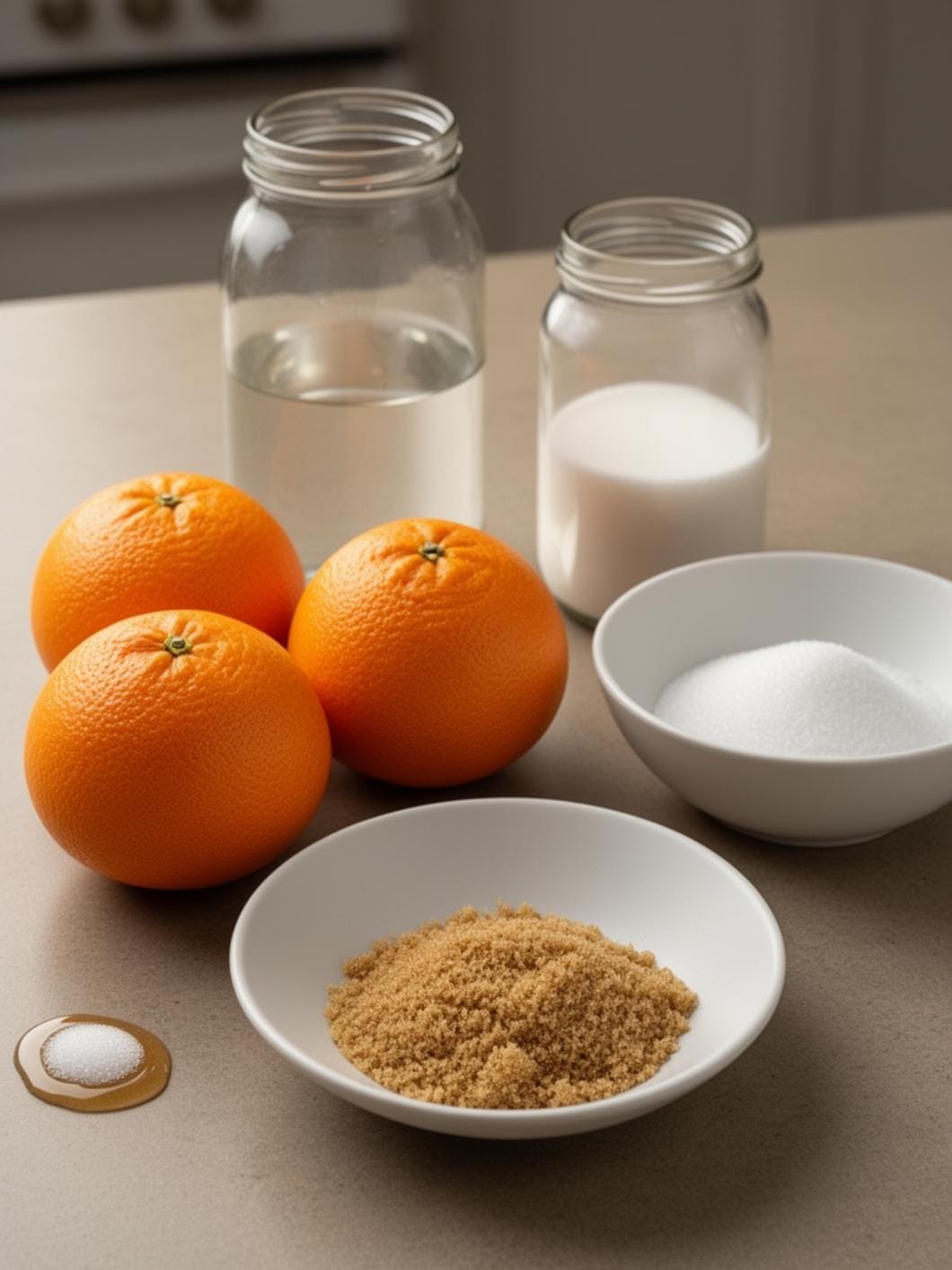
- 4 large navel oranges
- 2 cups water (for boiling peels)
- 1 cup water (for syrup)
- 1 cup natural sweetener (maple syrup, honey, or agave nectar)
- 1/4 teaspoon salt
- 1/2 cup granulated sugar or coconut sugar (for coating, optional)
For the oranges, choose ones that are firm, brightly colored, and free of blemishes. Organic oranges are a great choice since you’ll be using the peel. If you don’t have navel oranges, other thick-skinned varieties like Valencia can work, but navel oranges tend to have the best balance of pith to zest for candying. When it comes to natural sweeteners, maple syrup offers a distinct flavor that pairs wonderfully with orange, while honey provides a richer, more floral note. Agave nectar is a more neutral option if you want the orange flavor to shine without any additional undertones. Feel free to experiment with a blend of these to find your favorite combination.
Time Needed From Start To Finish
Preparing this low-sugar candied orange peel is a process that involves a few steps, but none of them are particularly difficult or require constant attention. The total time includes softening the peels and then simmering them in the sweet syrup.
- Prep time: 20 minutes (includes peeling and slicing)
- Cook time: 60-75 minutes (simmering and drying)
- Total time: 1 hour 20 minutes to 1 hour 35 minutes
While the cook time might seem a bit long, much of it is hands-off simmering, allowing you to attend to other tasks while the magic happens on the stovetop. The drying time can vary, but it’s mostly passive.
How To Make It Step By Step With Visual Cues

Creating perfectly candied orange peel is all about patience and following a few simple steps. The goal is to soften the peels and infuse them with sweetness, resulting in a tender yet slightly chewy texture.
- Prepare the Oranges: Wash the oranges thoroughly. Using a sharp knife, score the orange peel into four or six sections from top to bottom, being careful not to cut into the fruit itself. Gently peel off the sections. You can also use a vegetable peeler to get long strips, then trim them.
- Remove Excess Pith: With a small spoon or the back of your knife, carefully scrape away as much of the white pith from the inside of the orange peels as possible. This step is crucial for reducing bitterness. Aim for about 1/8 to 1/4 inch thickness of peel.
- Slice the Peels: Cut the peeled and de-pithed orange strips into thin matchsticks, about 1/4 inch wide and 1-2 inches long. Uniformity helps them cook evenly.
- Blanch the Peels (First Boil): Place the orange peel strips in a medium saucepan and cover with 2 cups of cold water. Bring to a boil over medium-high heat, then reduce heat and simmer for 10 minutes. Drain the water and repeat this blanching process two more times with fresh water each time. This further removes bitterness.
- Simmer in Sweetener: After the third blanching, drain the peels well. In the same saucepan, combine 1 cup of fresh water, 1 cup of natural sweetener (maple syrup, honey, or agave), and the salt. Bring to a gentle simmer, then add the blanched orange peels. Reduce the heat to low and simmer gently for 45-60 minutes, or until the peels are translucent and tender, and most of the liquid has been absorbed or evaporated into a thick syrup. Stir occasionally to prevent sticking.
- Drain and Cool: Carefully remove the peels from the syrup using a slotted spoon or tongs. Place them in a single layer on a wire rack set over a baking sheet. Allow them to cool and dry for at least 4-6 hours, or overnight, at room temperature. They should feel tacky but not sticky.
- Optional Coating: If desired, once the peels are mostly dry, you can roll them in granulated sugar or coconut sugar for an extra sweet and sparkling finish. Gently toss them in a bowl with the sugar until evenly coated.
- Final Drying: Return the sugar-coated peels to the wire rack for another hour or two to fully set.
Easy Variations And Serving Ideas That Fit Real Life
This low-sugar candied orange peel is incredibly versatile and can be enjoyed in many ways. For a simple snack, just enjoy them as they are – a delightful burst of citrusy sweetness.
- Chocolate Dipped Delight: For an extra special treat, melt some dark chocolate (sugar-free if preferred) and dip half of each candied orange peel strip into the chocolate. Lay them on parchment paper to set. This combination is absolutely divine and makes for an elegant dessert.
- Baking Booster: Chop the candied peels into small pieces and fold them into muffin batter, scone dough, or even a simple vanilla cake mix. They add a wonderful texture and bright flavor.
- Garnish Guru: Use whole strips or chopped pieces to garnish desserts like panna cotta, chocolate mousse, or even a fruit salad. Their vibrant color and unique shape add a professional touch.
- Breakfast Brightener: Finely chop the candied peel and sprinkle it over oatmeal, yogurt parfaits, or even a stack of pancakes for a sophisticated twist.
- Spice It Up: Add a cinnamon stick or a few cloves to the simmering syrup in step 5 for a warm, spiced version of the candied peel, perfect for cooler weather or holiday baking.
- Lemon or Grapefruit: While this recipe focuses on orange, the same method can be applied to lemon or grapefruit peels for a different citrus flavor profile. Just be aware that grapefruit peel might require an extra blanching step due to its higher bitterness.
Common Slip-Ups And How To Avoid Them
Even simple recipes can have their pitfalls. Knowing what to watch out for can save you time and ensure a perfect batch of candied orange peel every time.
- Peels are too bitter: This is the most common issue. The key to avoiding bitterness is thorough pith removal and the triple blanching process. Don’t skip these steps! If your oranges have very thick pith, you might even consider a fourth blanching.
- Peels are tough or chewy: This usually means they haven’t simmered long enough in the syrup. They should be translucent and tender when poked with a fork. Continue simmering until they reach this stage.
- Peels are sticky even after drying: This can happen if the syrup wasn’t thick enough or if they didn’t dry long enough. Ensure the syrup reduces to a thick consistency. If they’re still too sticky, you can gently warm them in a very low oven (around 150°F) for 30-60 minutes, then let them cool completely on the rack.
- Syrup crystallizes: This can occur if the sugar concentration is too high or if the syrup is agitated too much while cooling. Using natural sweeteners helps reduce this risk compared to pure sugar syrups. If it happens, you can gently reheat the syrup with a tablespoon or two of water to dissolve the crystals, then continue simmering the peels.
- Peels burn during simmering: This happens if the heat is too high or if the syrup completely evaporates. Keep the heat on low and stir occasionally to prevent sticking to the bottom of the pan. If the syrup gets too low before the peels are tender, add a tablespoon or two of water to prevent burning.
How To Store

FAQs
- Can I make these ahead? Yes—prep ahead, refrigerate, then serve when ready.
- How long do leftovers last? Store covered in the fridge for 3–4 days for best texture.
- Can I adjust sweetness? Yes—add more or less sweetener to taste.
- Can I change the fruit? Yes—swap strawberries for blueberries, raspberries, or sliced banana.