

This homemade cottage cheese bread is a game-changer for anyone looking for a wonderfully soft and fluffy loaf.
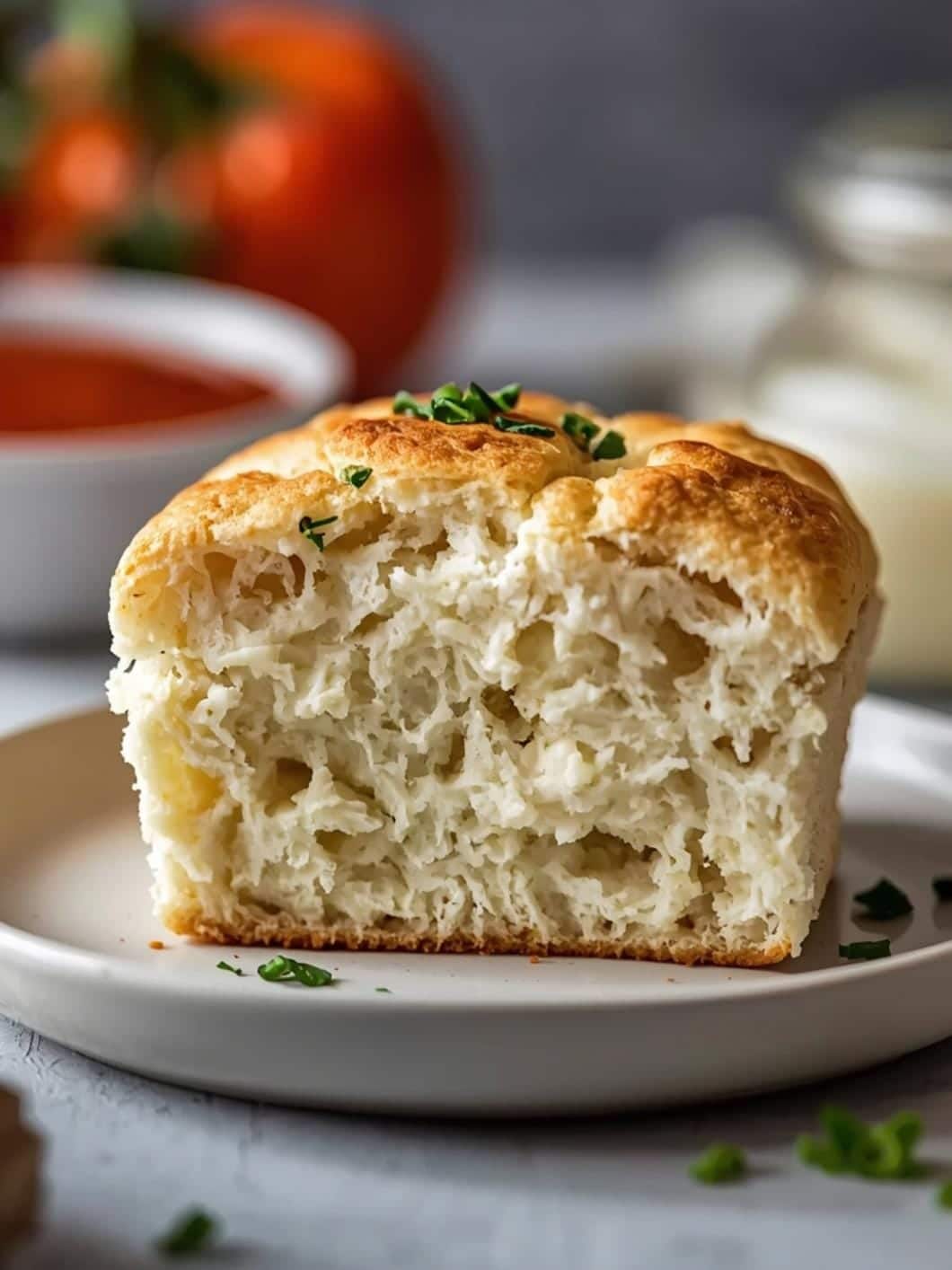
It’s perfect for elevating your everyday sandwiches or enjoying as a comforting slice of toast with your morning coffee. The secret to its incredible texture and high rise lies in the simple addition of cottage cheese, which also boosts its protein content.
Forget complicated baking techniques; this recipe is designed for your bread machine, making the process incredibly easy and hands-off. You’ll be amazed at how effortlessly you can achieve a bakery-quality loaf right in your own kitchen.
Table of Contents
- What You’ll Love About This Quick And Easy Recipe
- Everything You Need To Make This Recipe Without Stress
- Time Needed From Start To Finish
- How To Make It Step By Step With Visual Cues
- Easy Variations And Serving Ideas That Fit Real Life
- Common Slip-Ups And How To Avoid Them
- How To Store It And Make It Ahead Without Ruining Texture

Homemade Cottage Cheese Bread (Bread Machine)
- Total Time: 3 hours 20 minutes
- Yield: 1 loaf 1x
Description
This homemade cottage cheese bread is a game-changer for anyone looking for a wonderfully soft and fluffy loaf. It’s perfect for elevating your everyday sandwiches or enjoying as a comforting slice of toast with your morning coffee. The secret to its incredible texture and high rise lies in the simple addition of cottage cheese, which also boosts its protein content. Forget complicated baking techniques; this recipe is designed for your bread machine, making the process incredibly easy and hands-off. You’ll be amazed at how effortlessly you can achieve a bakery-quality loaf right in your own kitchen.
Ingredients
Instructions
1. Add Liquids to the Bread Machine Pan: Begin by pouring the warm water into the bread machine pan. Ensure the water is between 105-115 F; this temperature is crucial for activating the yeast.
2. Incorporate Wet Ingredients: Add the room temperature cottage cheese and melted butter directly on top of the water. Distribute them evenly in the pan.
3. Layer Dry Ingredients: Carefully add the granulated sugar and salt to the pan, placing them in separate corners away from the yeast. Next, add the bread flour, forming a mound over the wet ingredients.
4. Create a Yeast Well: Use your finger to create a small indentation or “well” in the center of the flour mound. Pour the active dry yeast directly into this well. This prevents the yeast from coming into direct contact with the salt or sugar too early, which can inhibit its activation.
5. Select Bread Machine Settings: Place the pan securely into your bread machine. Select the “Basic,” “White Bread,” or “Normal” cycle. Choose a “Light” or “Medium” crust setting, depending on your preference.
6. Start the Machine and Observe: Close the lid and press “Start.” The machine will begin its cycle of mixing, kneading, rising, and baking. During the initial mixing phase (the first 5-10 minutes), check the dough consistency. It should form a soft, slightly sticky ball. If it seems too dry, add water one tablespoon at a time. If too wet, add flour one tablespoon at a time.
7. Cool the Finished Loaf: Once the bread machine beeps to signal the end of the cycle, carefully remove the pan. Invert the pan onto a wire rack to release the hot loaf. Allow the bread to cool completely for at least 1-2 hours before slicing. This cooling period is essential for the internal structure to set, preventing a gummy texture.
- Prep Time: 5 minutes
- Cook Time: 3 hours 15 minutes
- Category: main dish
- Method: bread machine
- Cuisine: american
Nutrition
- Serving Size: 1 slice
Keywords: cottage cheese bread, bread machine, homemade bread, easy bread, sandwich bread, fluffy bread, high protein bread, comfort food
What You’ll Love About This Quick And Easy Recipe
This cottage cheese bread recipe is a true winner for busy families and anyone seeking a nutritious yet delicious homemade bread option. It’s incredibly forgiving, making it ideal for beginner bakers who want to impress without the stress. The bread machine does all the heavy lifting, from mixing to kneading and baking, leaving you free to focus on other things. The high protein content from the cottage cheese makes this bread a more satisfying choice than traditional white bread, keeping you fuller for longer. Serve it warm from the machine with a smear of butter for a simple snack, or use it as the base for hearty sandwiches at lunchtime. It’s also fantastic toasted and topped with avocado, jam, or even a fried egg for a wholesome breakfast.
Everything You Need To Make This Recipe Without Stress
Gathering your ingredients before you begin ensures a smooth and enjoyable baking process. Most of these items are likely already in your pantry or easily found at any grocery store. The cottage cheese is the star here, contributing to both the texture and the nutritional value of the bread.
INGREDIENTS:
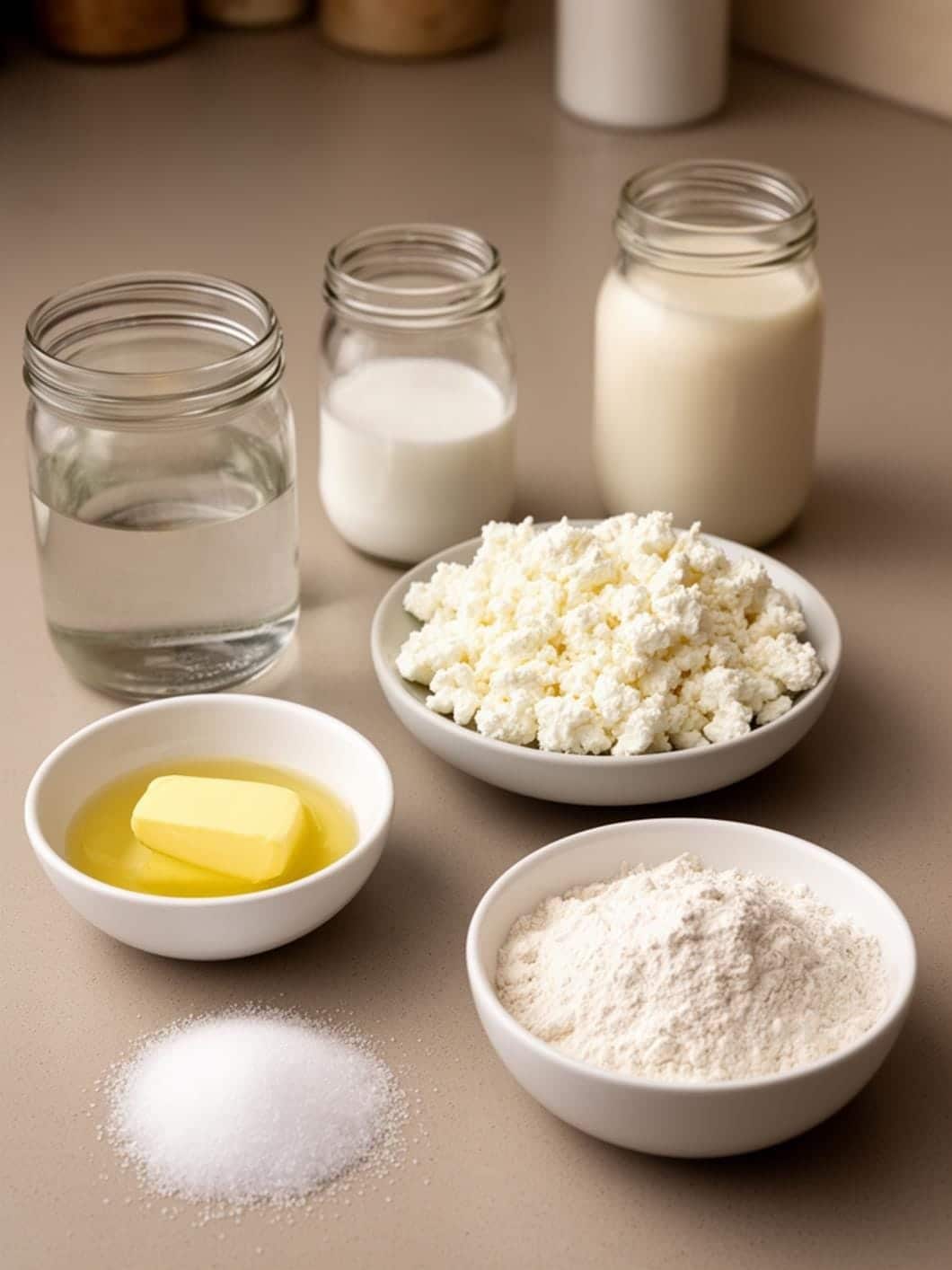
- 1 cup warm water (105-115°F)
- 1/2 cup cottage cheese, at room temperature
- 2 tablespoons unsalted butter, melted
- 2 tablespoons granulated sugar
- 1 1/2 teaspoons salt
- 3 cups bread flour
- 2 1/4 teaspoons active dry yeast (one standard packet)
For the cottage cheese, full-fat or low-fat varieties will both work well, just ensure it’s at room temperature for better incorporation into the dough. If you don’t have bread flour, all-purpose flour can be used, but bread flour offers a slightly chewier texture and better rise due to its higher protein content. You can substitute a dairy-free butter alternative if needed, though the flavor might be slightly different. Always check the expiration date on your yeast to ensure it’s active for a good rise.
Time Needed From Start To Finish
This recipe is designed for convenience, leveraging your bread machine to handle most of the work.
- Prep Time: 5 minutes
- Bread Machine Cycle Time: 3 hours 15 minutes (standard white bread cycle)
- Total Time: Approximately 3 hours 20 minutes
While the total time includes the bread machine’s cycle, your active involvement is minimal, making it a perfect “set it and forget it” recipe for busy days.
How To Make It Step By Step With Visual Cues
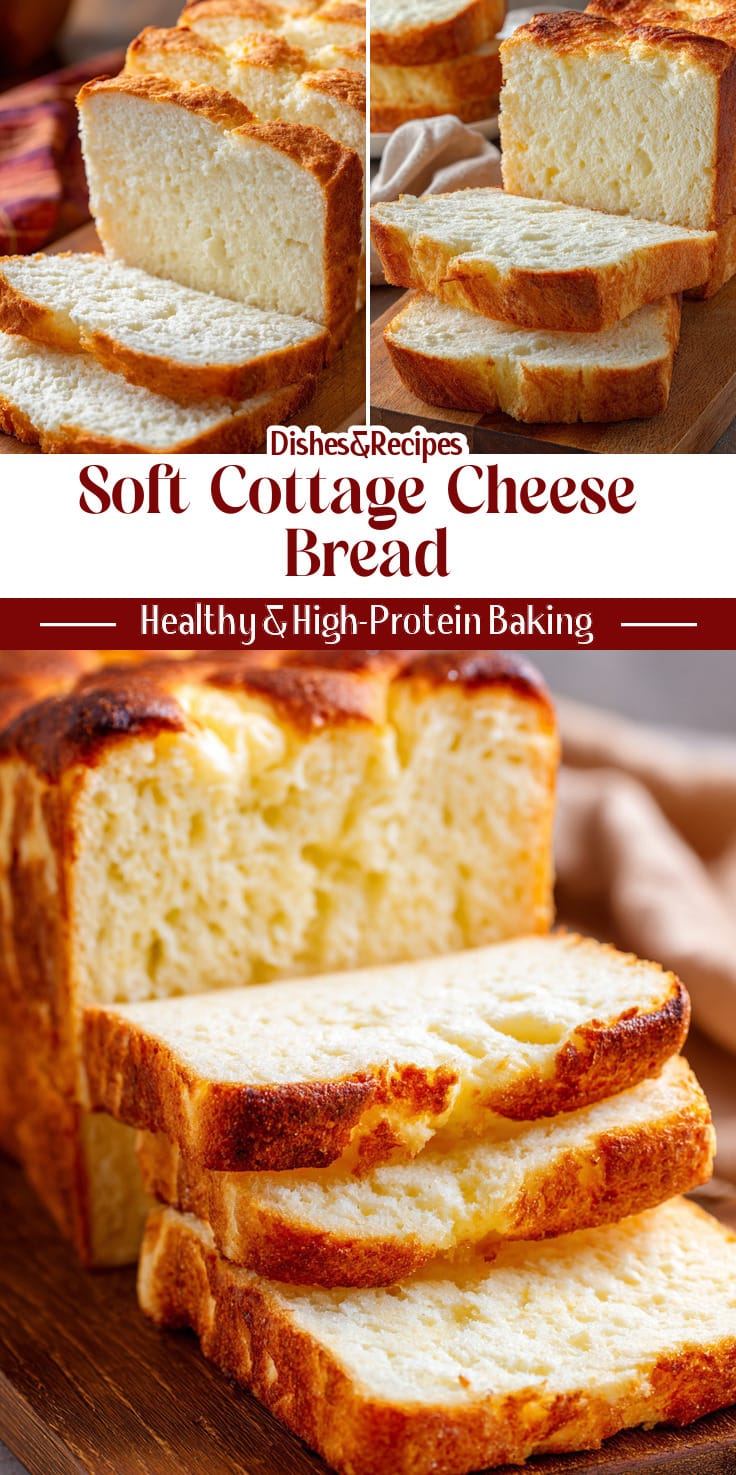
Making this cottage cheese bread in your bread machine is incredibly straightforward. Follow these steps for a perfectly baked loaf every time.
- Add Liquids to the Bread Machine Pan: Begin by pouring the warm water into the bread machine pan. Ensure the water is between 105-115°F; this temperature is crucial for activating the yeast.
- Incorporate Wet Ingredients: Add the room temperature cottage cheese and melted butter directly on top of the water. Distribute them evenly in the pan.
- Layer Dry Ingredients: Carefully add the granulated sugar and salt to the pan, placing them in separate corners away from the yeast. Next, add the bread flour, forming a mound over the wet ingredients.
- Create a Yeast Well: Use your finger to create a small indentation or “well” in the center of the flour mound. Pour the active dry yeast directly into this well. This prevents the yeast from coming into direct contact with the salt or sugar too early, which can inhibit its activation.
- Select Bread Machine Settings: Place the pan securely into your bread machine. Select the “Basic,” “White Bread,” or “Normal” cycle. Choose a “Light” or “Medium” crust setting, depending on your preference.
- Start the Machine and Observe: Close the lid and press “Start.” The machine will begin its cycle of mixing, kneading, rising, and baking. During the initial mixing phase (the first 5-10 minutes), check the dough consistency. It should form a soft, slightly sticky ball. If it seems too dry, add water one tablespoon at a time. If too wet, add flour one tablespoon at a time.
- Cool the Finished Loaf: Once the bread machine beeps to signal the end of the cycle, carefully remove the pan. Invert the pan onto a wire rack to release the hot loaf. Allow the bread to cool completely for at least 1-2 hours before slicing. This cooling period is essential for the internal structure to set, preventing a gummy texture.
Easy Variations And Serving Ideas That Fit Real Life
This cottage cheese bread is wonderfully versatile and can be adapted to suit various tastes and occasions.
- Herb Infusion: For a savory twist, add 1-2 tablespoons of dried herbs like dill, chives, or a “Herbes de Provence” blend to the dry ingredients before starting the machine. This makes a fantastic accompaniment to soups or salads.
- Garlic and Onion: Mix in 1 teaspoon of garlic powder and 1/2 teaspoon of onion powder with the flour for a more robust flavor, perfect for garlic bread or savory sandwiches.
- Cheesy Delight: Stir in 1/2 cup of shredded cheddar or Parmesan cheese during the last 10 minutes of the kneading cycle (your bread machine might have a “mix-in” beep). This adds an extra layer of flavor and richness.
- Kid-Friendly Sandwiches: This soft bread is ideal for school lunch sandwiches. Think classic peanut butter and jelly, or thinly sliced turkey and cheese. The mild flavor of the bread won’t overpower their favorite fillings.
- Breakfast Toast: Slice and toast the bread, then top with butter, jam, honey, or even a fried egg and a sprinkle of everything bagel seasoning for a satisfying breakfast.
- Soup Dippers: Cut thick slices and serve alongside a hearty bowl of tomato soup, chili, or a creamy vegetable soup for a comforting meal.
- Mini Bread Loaves: If your bread machine has different loaf size settings, you can adjust the ingredient quantities proportionally to make a smaller loaf, perfect for a single person or smaller family.
Common Slip-Ups And How To Avoid Them
Even with a bread machine, a few common mistakes can impact your loaf. Knowing how to prevent them will ensure baking success.
- Incorrect Water Temperature: Water that’s too hot will kill the yeast, leading to a dense, flat loaf. Water that’s too cold won’t activate the yeast, resulting in the same issue. Always use a thermometer to ensure your water is between 105-115°F.
- Expired Yeast: Yeast that is old or inactive won’t produce enough carbon dioxide to make the bread rise. Always check the expiration date on your yeast packet and store it in a cool, dry place or the refrigerator once opened. If unsure, you can “proof” a small amount in warm water with a pinch of sugar; if it bubbles, it’s active.
- Ignoring Ingredient Order: While not always critical, layering ingredients as specified (liquids first, then dry, with yeast on top) helps prevent the yeast from prematurely interacting with salt or sugar, which can hinder its activity.
- Opening the Lid During Rising: Resist the urge to peek during the rising cycles! Opening the lid allows cool air in, which can cause the dough to collapse and result in a less airy texture.
- Slicing Too Soon: It’s tempting to cut into a warm, fragrant loaf, but slicing hot bread can lead to a gummy, dense texture. The internal structure is still setting, so allow it to cool completely on a wire rack for at least an hour, preferably two, before slicing.
- Improper Measurement of Flour: Too much flour makes the bread dry and crumbly, while too little makes it too sticky and dense. Use the “spoon and level” method: spoon flour into your measuring cup, then level it off with a straight edge, rather than scooping directly from the bag.
How To Store It And Make It Ahead Without Ruining Texture
Proper storage is key to keeping your homemade cottage cheese bread fresh and delicious.
- Room Temperature Storage: Once completely cooled, store the bread in an airtight container or a large resealable plastic bag at room temperature for up to 3-4 days. You can also wrap it tightly in plastic wrap, then aluminum foil.
- Freezing for Longer Storage: For longer storage, slice the cooled bread and place the slices in a single layer on a baking sheet to freeze for about 30 minutes. Once firm, transfer the slices to a freezer-safe bag or container. This prevents them from sticking together. Frozen bread can be stored for up to 2-
FAQs
- Can I make these ahead? Yes—prep ahead, refrigerate, then serve when ready.
- How long do leftovers last? Store covered in the fridge for 3–4 days for best texture.
- Can I adjust sweetness? Yes—add more or less sweetener to taste.
- Can I change the fruit? Yes—swap strawberries for blueberries, raspberries, or sliced banana.