

Making your own sushi at home might sound intimidating, but it’s actually a fun and rewarding process that anyone can master.
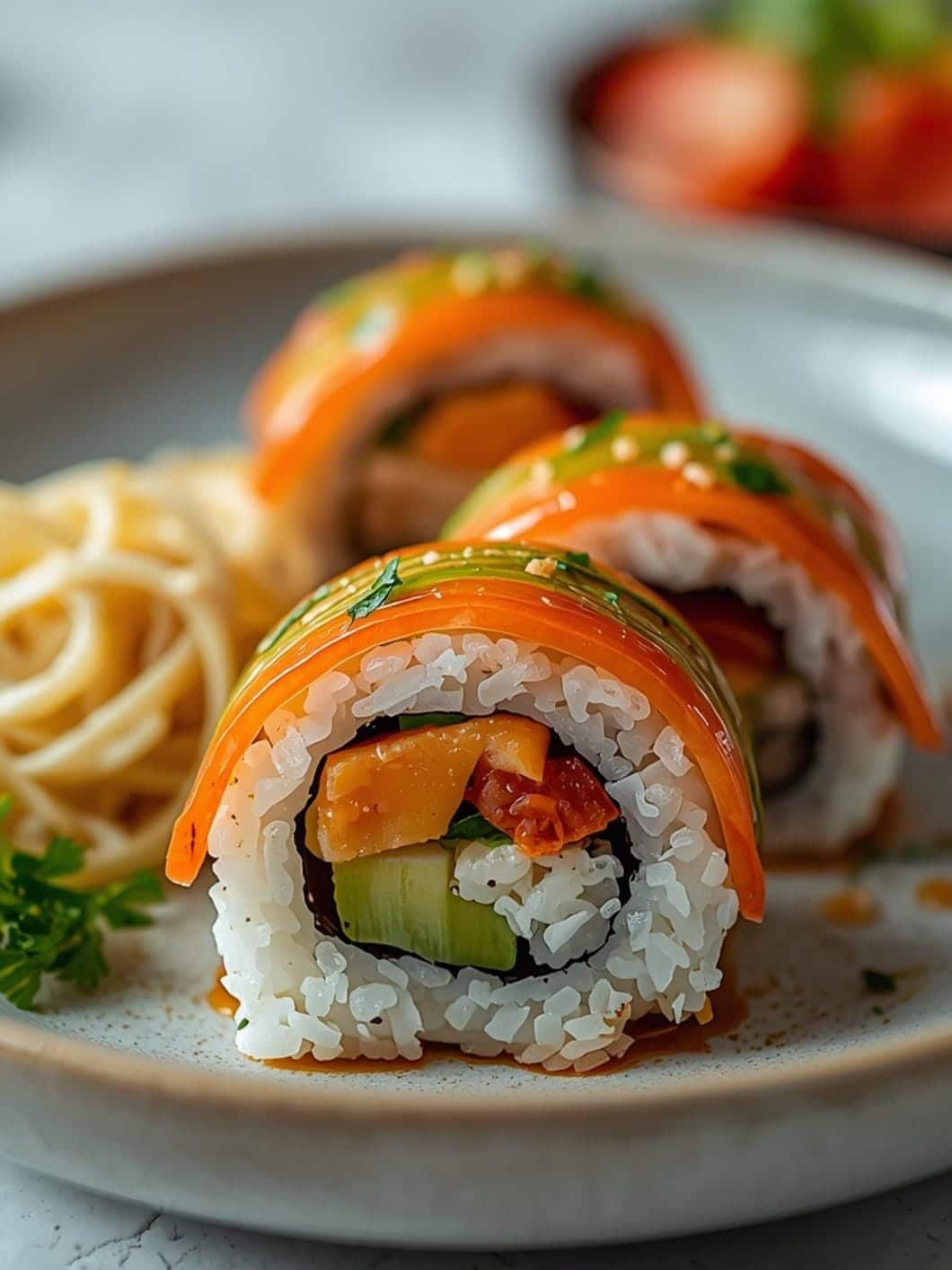
This beginner-friendly guide will walk you through creating beautiful and delicious homemade sushi rolls, perfect for a weeknight meal, a fun family activity, or impressing guests. Forget the takeout; you’re about to unlock a world of fresh flavors and custom creations right in your own kitchen!
This recipe focuses on simplicity and accessibility, ensuring that even first-time sushi makers can achieve fantastic results. We’ll cover everything from preparing the perfect sushi rice to selecting vibrant fillings, making it easy to experiment and create unique sushi roll recipes that cater to everyone’s tastes. Get ready to roll!
Table of Contents
- What You’ll Love About This Quick And Easy Recipe
- Everything You Need To Make This Recipe Without Stress
- Time Needed From Start To Finish
- How To Make It Step By Step With Visual Cues
- Easy Variations And Serving Ideas That Fit Real Life
- Common Slip-Ups And How To Avoid Them
- How To Store It And Make It Ahead Without Ruining Texture

Homemade Sushi Rolls for Beginners
- Total Time: 45 minutes
- Yield: 6-8 rolls 1x
Description
Making your own sushi at home might sound intimidating, but it’s actually a fun and rewarding process that anyone can master. This beginner-friendly guide will walk you through creating beautiful and delicious homemade sushi rolls, perfect for a weeknight meal, a fun family activity, or impressing guests. Forget the takeout; you’re about to unlock a world of fresh flavors and custom creations right in your own kitchen! This recipe focuses on simplicity and accessibility, ensuring that even first-time sushi makers can achieve fantastic results. We’ll cover everything from preparing the perfect sushi rice to selecting vibrant fillings, making it easy to experiment and create unique sushi roll recipes that cater to everyone’s tastes. Get ready to roll!
Ingredients
Instructions
1. Prepare the Sushi Rice: Rinse the sushi rice thoroughly under cold water until the water runs clear. This removes excess starch. Combine the rinsed rice and 2 ½ cups of water in a medium saucepan. Bring to a boil, then reduce heat to low, cover, and simmer for 15 minutes. Remove from heat and let it sit, covered, for another 10 minutes. Do not lift the lid during this time.
2. Season the Rice: While the rice cooks, prepare the sushi vinegar mixture. In a small bowl, combine the rice vinegar, granulated sugar, and salt. Stir until the sugar and salt are fully dissolved. Once the rice has rested, transfer it to a large, shallow non-metallic bowl or baking dish. Pour the vinegar mixture evenly over the hot rice. Using a rice paddle or wooden spoon, gently fold and cut through the rice to distribute the seasoning and cool the rice. Fan the rice with a piece of cardboard or a fan to help it cool quickly and achieve a glossy texture. The rice should be at room temperature before rolling.
3. Prepare Your Rolling Station: Lay a bamboo sushi mat on a clean, flat surface. If you don’t have a mat, you can use a piece of plastic wrap. Place one sheet of nori, shiny side down, on the mat. Have a small bowl of water nearby for wetting your hands – this prevents the rice from sticking.
4. Spread the Rice: Dip your hands in the water to moisten them. Take about ¾ to 1 cup of seasoned sushi rice and spread it evenly over the nori sheet, leaving about a ½-inch border at the top edge (the edge furthest from you). Press gently to ensure the rice adheres to the nori, but don’t compact it too much. If desired, sprinkle with sesame seeds at this stage.
5. Add the Fillings: Arrange your desired fillings in a horizontal line across the center of the rice, about 1 inch from the bottom edge of the nori. Don’t overfill, as this makes rolling difficult. A good combination might be a few strips of avocado, cucumber, carrot, and a couple of pieces of shrimp or imitation crab.
6. Start Rolling: Lift the edge of the bamboo mat closest to you, bringing it up and over the fillings. Tuck the edge of the nori under the fillings, pressing down gently to create a tight cylinder. Continue rolling forward, applying gentle, even pressure with the mat to keep the roll compact. Once you reach the top edge, moisten the exposed nori border with a little water to help seal the roll.
7. Slice the Roll: Once rolled, gently remove the sushi from the mat. Place it on a cutting board. Using a very sharp, damp knife, slice the roll into 6-8 equal pieces. Wiping the knife with a damp cloth between cuts helps prevent sticking and gives you clean slices.
8. Serve Immediately: Arrange your beautiful sushi rolls on a platter and serve with soy sauce, wasabi, and pickled ginger.
- Prep Time: 20 minutes
- Cook Time: 25 minutes
- Category: main dish
- Method: rolling
- Cuisine: japanese
Nutrition
- Serving Size: 1 roll
Keywords: sushi, homemade, japanese, rice, seafood, vegetarian, easy, beginner, healthy, dinner
What You’ll Love About This Quick And Easy Recipe
This homemade sushi recipe is a game-changer for anyone looking to enjoy fresh, customizable sushi without the restaurant price tag or complexity. It works because it breaks down the process into manageable steps, making it approachable for absolute beginners. This recipe is perfect for families looking for a fun and interactive meal, busy individuals seeking a healthy and quick dinner, or anyone who enjoys experimenting with flavors. You can serve it as a light lunch, a vibrant appetizer for a gathering, or a satisfying main course. The beauty lies in its versatility and the joy of crafting something delicious with your own hands.
Everything You Need To Make This Recipe Without Stress
Gathering your ingredients ahead of time makes the sushi-making process smooth and enjoyable. Most items are readily available at your local grocery store, and some Asian markets might offer a wider selection of specific sushi ingredients.
INGREDIENTS:
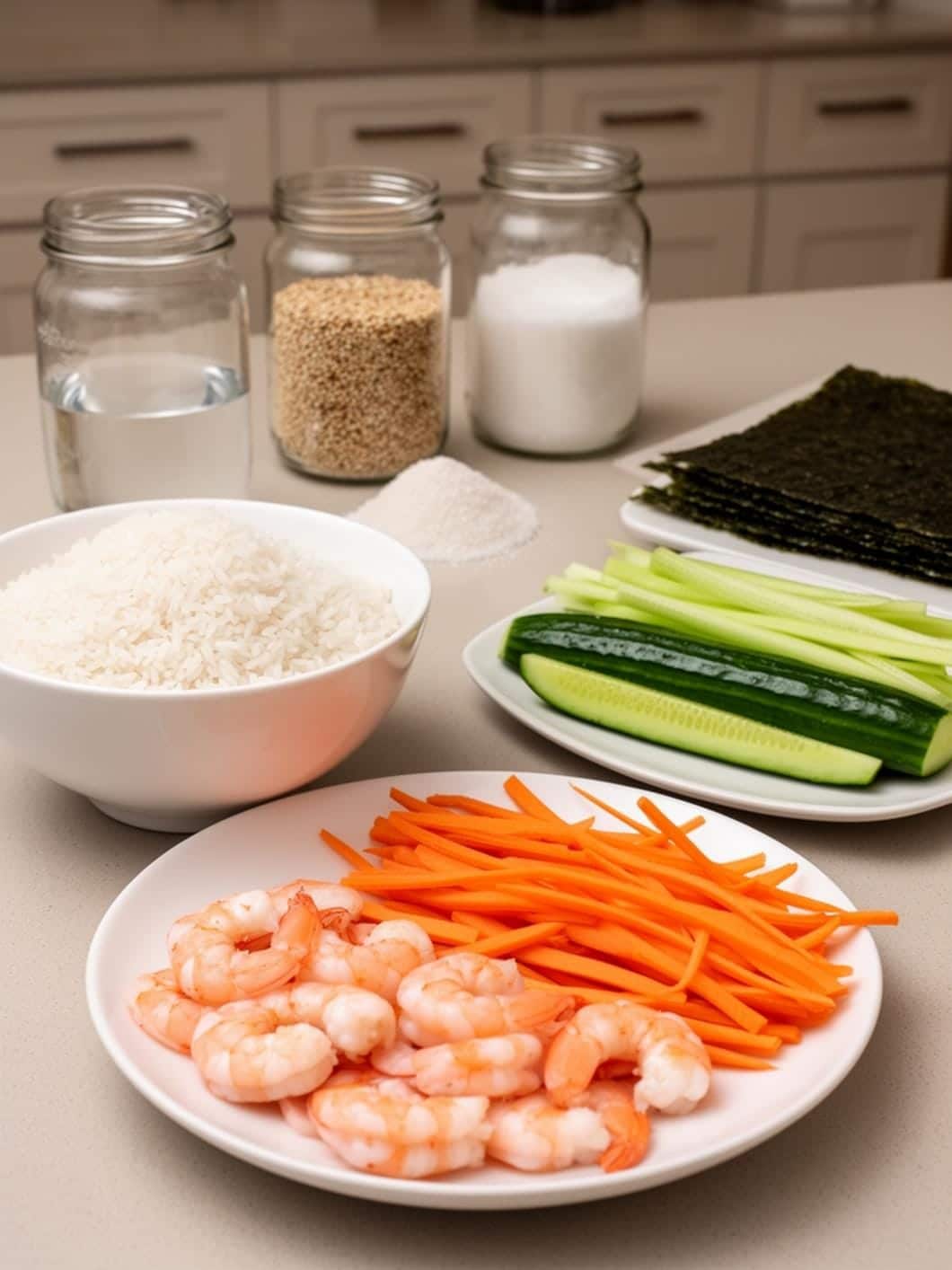
- 2 cups sushi rice
- 2 ½ cups water
- ¼ cup rice vinegar
- 2 tablespoons granulated sugar
- 1 teaspoon salt
- 6-8 sheets nori (seaweed wraps)
- 1 ripe avocado, thinly sliced
- 1 cucumber, deseeded and cut into thin strips
- 1 large carrot, peeled and cut into thin strips
- ½ lb cooked shrimp, peeled, deveined, and cut in half lengthwise (or imitation crab sticks)
- Optional: sesame seeds for garnish
- Optional: soy sauce, wasabi, and pickled ginger for serving
For simple substitutions, feel free to swap out the protein. Smoked salmon, canned tuna (drained and mixed with a little mayonnaise), or even thinly sliced cooked chicken can work well. If you’re vegetarian or vegan, focus on a wider array of vegetables like bell peppers, blanched asparagus, or marinated tofu strips. Look for good quality sushi rice; brands like Nishiki or Kokuho Rose are excellent choices. Nori sheets are usually found in the international aisle of most supermarkets.
Time Needed From Start To Finish
- Prep time: 20 minutes (includes rice cooking time, cooling, and vegetable slicing)
- Assembly time: 15-20 minutes
- Total time: Approximately 35-40 minutes
How To Make It Step By Step With Visual Cues
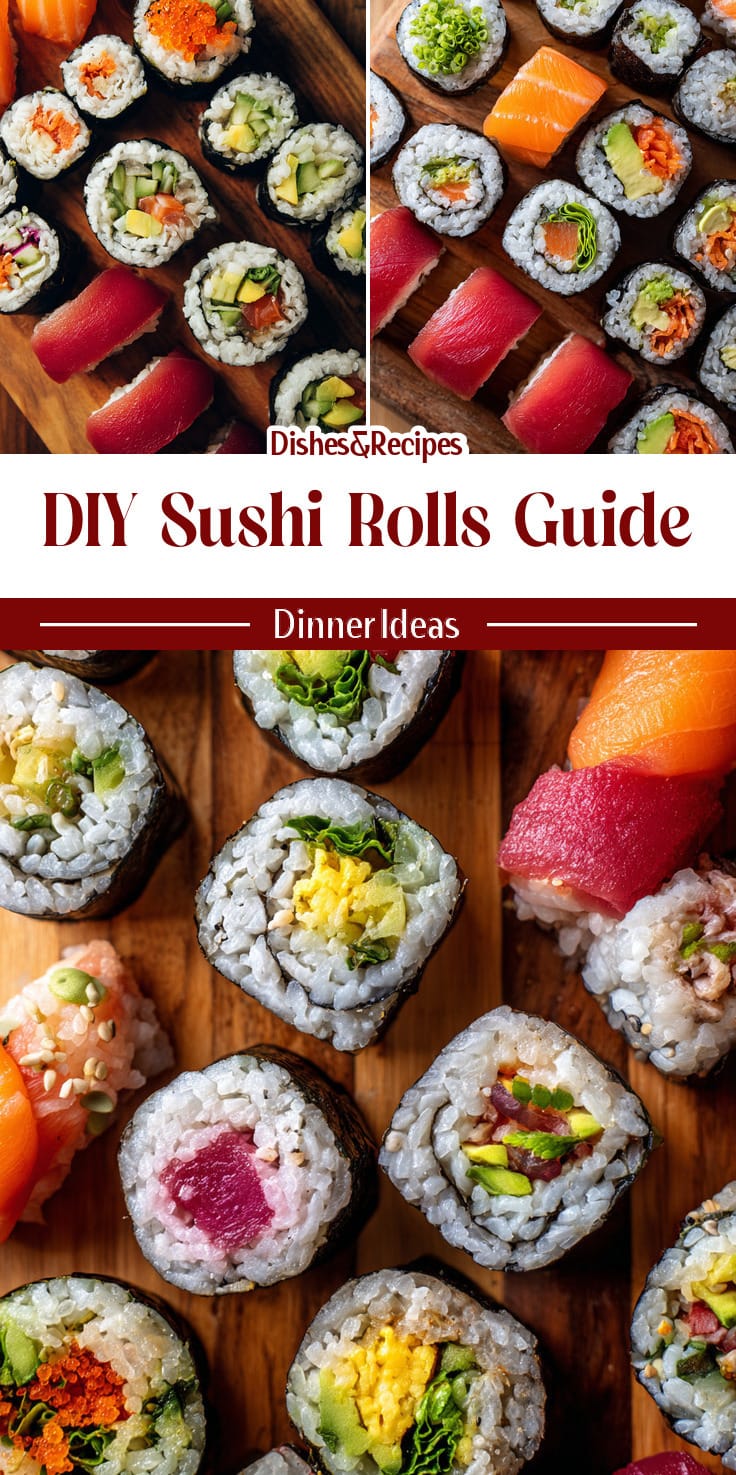
Follow these steps carefully to create perfectly rolled sushi at home. The key is to have all your ingredients prepped and ready before you start rolling.
- Prepare the Sushi Rice: Rinse the sushi rice thoroughly under cold water until the water runs clear. This removes excess starch. Combine the rinsed rice and 2 ½ cups of water in a medium saucepan. Bring to a boil, then reduce heat to low, cover, and simmer for 15 minutes. Remove from heat and let it sit, covered, for another 10 minutes. Do not lift the lid during this time.
- Season the Rice: While the rice cooks, prepare the sushi vinegar mixture. In a small bowl, combine the rice vinegar, granulated sugar, and salt. Stir until the sugar and salt are fully dissolved. Once the rice has rested, transfer it to a large, shallow non-metallic bowl or baking dish. Pour the vinegar mixture evenly over the hot rice. Using a rice paddle or wooden spoon, gently fold and cut through the rice to distribute the seasoning and cool the rice. Fan the rice with a piece of cardboard or a fan to help it cool quickly and achieve a glossy texture. The rice should be at room temperature before rolling.
- Prepare Your Rolling Station: Lay a bamboo sushi mat on a clean, flat surface. If you don’t have a mat, you can use a piece of plastic wrap. Place one sheet of nori, shiny side down, on the mat. Have a small bowl of water nearby for wetting your hands – this prevents the rice from sticking.
- Spread the Rice: Dip your hands in the water to moisten them. Take about ¾ to 1 cup of seasoned sushi rice and spread it evenly over the nori sheet, leaving about a ½-inch border at the top edge (the edge furthest from you). Press gently to ensure the rice adheres to the nori, but don’t compact it too much. If desired, sprinkle with sesame seeds at this stage.
- Add the Fillings: Arrange your desired fillings in a horizontal line across the center of the rice, about 1 inch from the bottom edge of the nori. Don’t overfill, as this makes rolling difficult. A good combination might be a few strips of avocado, cucumber, carrot, and a couple of pieces of shrimp or imitation crab.
- Start Rolling: Lift the edge of the bamboo mat closest to you, bringing it up and over the fillings. Tuck the edge of the nori under the fillings, pressing down gently to create a tight cylinder. Continue rolling forward, applying gentle, even pressure with the mat to keep the roll compact. Once you reach the top edge, moisten the exposed nori border with a little water to help seal the roll.
- Slice the Roll: Once rolled, gently remove the sushi from the mat. Place it on a cutting board. Using a very sharp, damp knife, slice the roll into 6-8 equal pieces. Wiping the knife with a damp cloth between cuts helps prevent sticking and gives you clean slices.
- Serve Immediately: Arrange your beautiful sushi rolls on a platter and serve with soy sauce, wasabi, and pickled ginger.
Easy Variations And Serving Ideas That Fit Real Life
One of the best parts about homemade sushi is the endless possibilities for customization. For kid-friendly options, consider fillings like cream cheese and cucumber, or cooked chicken tenders cut into strips. You can also make “inside-out” rolls (uramaki) where the rice is on the outside, often sprinkled with sesame seeds, which can be visually appealing for kids.
For a party or buffet, create a sushi bar where guests can choose their own fillings. Offer a variety of pre-cut vegetables like bell peppers, blanched asparagus, or sweet potato tempura strips. Different proteins such as smoked salmon, cooked tuna salad, or even thinly sliced deli turkey can be fun additions.
- Spicy Mayo: Mix mayonnaise with sriracha for a creamy, spicy kick.
- Eel Sauce (Unagi Sauce): A sweet and savory glaze that pairs wonderfully with many rolls.
- Tempura Flakes: Add a delightful crunch to the inside or outside of your rolls.
- Tobiko or Masago: Small fish roe that adds a pop of color and briny flavor.
- Avocado Slices: Fan sliced avocado over the top of a finished roll for a beautiful presentation.
Common Slip-Ups And How To Avoid Them
Even experienced sushi makers can encounter a few challenges. Here are some common beginner mistakes and how to steer clear of them:
- Overfilling the Roll: This is probably the most common mistake. Too many fillings make it impossible to roll tightly, leading to a loose, messy roll. Stick to 2-3 types of filling in a thin line.
- Using Too Much Rice: Similar to overfilling, too much rice makes the roll bulky and harder to manage. Aim for a thin, even layer of rice that covers about 80-90% of the nori.
- Not Wetting Your Hands: Sushi rice is incredibly sticky. If you don’t keep your hands moist, you’ll end up with more rice on your fingers than on the nori. Keep that bowl of water handy!
- Rolling Too Loosely: A loose roll will fall apart when cut or picked up. Apply consistent, gentle pressure as you roll, using the mat to help compress the ingredients.
- Using a Dull or Dry Knife: A dull knife will tear the nori and smash the ingredients. A sharp, damp knife is crucial for clean, precise cuts. Wipe it clean and re-dampen it between each slice.
- Not Cooling the Rice Properly: Hot rice will make the nori soggy and difficult to work with. Ensure your sushi rice is at room temperature before you start rolling.
How To Store It And Make It Ahead Without Ruining Texture
Sushi is best enjoyed fresh, ideally within a few hours of making it. The texture of the rice and the freshness of the fillings are at their peak.
- Storage: If you have leftovers, store them in an airtight container in the refrigerator for up to 24 hours.
FAQs
- Can I make these ahead? Yes—prep ahead, refrigerate, then serve when ready.
- How long do leftovers last? Store covered in the fridge for 3–4 days for best texture.
- Can I adjust sweetness? Yes—add more or less sweetener to taste.
- Can I change the fruit? Yes—swap strawberries for blueberries, raspberries, or sliced banana.